

A genuine leather jacket can sound like a straightforward term, but it often creates confusion when people shop for leather clothing. When a jacket is described as genuine leather, it means that real animal hide has been used in its construction.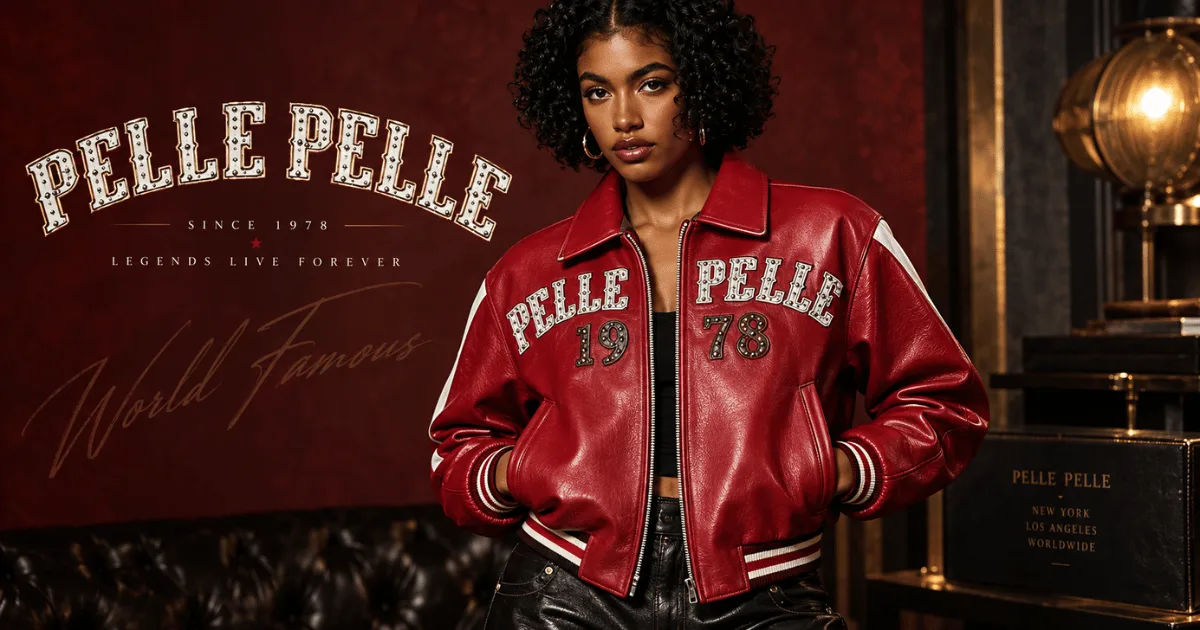
However, the phrase does not automatically mean the jacket is the highest-quality leather available. Understanding what genuine leather actually means can help you make a smarter buying decision and avoid confusing quality labels with marketing language. At Pelle Pelle Store, understanding leather quality is important because the right jacket should offer a balance of authentic material, comfort, construction, durability, and style.
The term genuine leather is widely used across the fashion industry. It is different from synthetic leather, faux leather, and plastic-based alternatives. At the same time, genuine leather can cover several grades and finishing methods. That is why simply seeing the words "genuine leather" on a product label should not be the only factor you consider.
What Does Genuine Leather Mean?
Genuine leather means the material is made from real animal hide rather than a completely synthetic material. The hide is processed through tanning and finishing techniques to make it suitable for clothing, footwear, bags, furniture, and other products.
Leather begins as an animal hide. The hide cannot normally be used directly because it would deteriorate over time. Tanning stabilizes the material and gives it the flexibility, durability, and resistance needed for everyday use.
When a jacket is labeled genuine leather, it confirms that real leather is present. However, the term itself does not identify exactly which part of the hide was used or how carefully it was processed.
This distinction matters.
A genuine leather jacket can be well-made and long-lasting, but another genuine leather jacket may have thinner material, heavier surface finishing, or less refined construction. Therefore, shoppers should look beyond the label.
Is Genuine Leather Real Leather?
Yes. Genuine leather is real leather.
This is one of the most important points to understand. Genuine leather is not the same thing as faux leather or synthetic leather. It comes from animal hide and has undergone processing to become usable leather.
However, "real leather" and "premium leather" are not interchangeable terms.
Real leather can exist at different quality levels. Full-grain leather, top-grain leather, corrected-grain leather, split leather, and other forms differ in how they are produced and finished.
Genuine leather is therefore best understood as a statement about authenticity rather than a guarantee of premium quality.
For example, a genuine leather jacket may use a lower section of the hide that has been processed and finished to create a consistent appearance. It is still genuine leather, but its characteristics may differ from a full-grain leather jacket.
How Is Genuine Leather Made?
The process begins with an animal hide. After the hide is removed and prepared, it goes through several stages before becoming finished leather.
The first major stage is preparation. Hair, unwanted tissue, and other materials are removed. The hide is then cleaned and treated so it can move through the tanning process.
Tanning is essential because untreated hide is vulnerable to decomposition. Tanning changes the structure of the material and makes it more stable.
There are different tanning methods, including chrome tanning and vegetable tanning. Chrome tanning is widely used because it can produce flexible leather efficiently. Vegetable tanning uses plant-based tannins and is associated with a different feel and aging process.
After tanning, the leather may be dyed, dried, softened, buffed, embossed, or coated. These finishing steps can dramatically change its appearance.
This is why two genuine leather jackets can look and feel completely different.
Where Does Genuine Leather Come From?
Leather can come from several animals, depending on the product and manufacturer.
Cowhide is one of the most common choices for leather jackets because it is strong, durable, and widely available. Lambskin is known for being softer and lighter, making it popular for fashion-focused jackets.
Goatskin is another option. It can provide a useful combination of flexibility and durability. Buffalo leather is generally heavier and can have a more rugged character.
The type of hide influences the jacket's weight, texture, flexibility, and overall appearance.
At Pelle Pelle Store, shoppers interested in leather jackets should consider the type of leather alongside the design. The material has a direct effect on how the jacket feels when worn and how it changes with age.
Genuine Leather vs. Faux Leather
The biggest difference between genuine leather and faux leather is the basic material.
Genuine leather comes from animal hide. Faux leather is manufactured to imitate leather and is generally made using synthetic materials such as polyurethane or PVC.
Faux leather can offer advantages. It is often less expensive, can provide a consistent appearance, and may be easier to produce in large quantities.
Genuine leather, however, has characteristics that synthetic materials often struggle to reproduce. Natural leather can develop variations in texture and color. It can also develop a distinctive patina as it ages.
This aging process is one reason many people appreciate genuine leather clothing.
The choice ultimately depends on your priorities. If authentic natural material is important to you, genuine leather is the appropriate category to explore. If price, uniformity, or avoiding animal-derived materials is more important, synthetic alternatives may be preferable.
Genuine Leather vs. Full-Grain Leather
This is another area where shoppers often become confused.
Full-grain leather is generally considered one of the highest-quality forms of leather because the natural grain surface remains largely intact. It can show natural markings and often develops an attractive patina over time.
Genuine leather is a broader term.
A product can be genuine leather without being full-grain leather. The distinction concerns how the hide has been selected and processed.
Think of "genuine leather" as confirmation that the material is authentic leather, while "full-grain" gives more information about the specific portion and treatment of the hide.
That does not automatically make every non-full-grain leather jacket poor quality. Construction, thickness, stitching, lining, hardware, and finishing also matter.
What Does a Genuine Leather Jacket Feel Like?
A genuine leather jacket usually has a natural texture that differs from plastic-based materials.
The exact feel depends heavily on the animal hide and finishing process. Some leather jackets feel soft and flexible from the first wear, while others feel firmer and require time to break in.
A good leather jacket should generally feel substantial without becoming unnecessarily stiff. When you handle the material, it should have some natural flexibility rather than feeling like a thin plastic sheet.
The surface can also contain small variations. Natural leather does not always have a perfectly uniform texture because animal hides naturally contain differences in grain and structure.
Those variations are not necessarily defects.
In many cases, they are evidence that the material is natural.
How Can You Tell If a Leather Jacket Is Genuine?
There are several things you can examine when evaluating a leather jacket.
Check the Product Label
Start with the manufacturer's material information. Look for clear terminology describing the material rather than relying only on vague words such as "leather look."
A genuine leather label should identify leather as the primary material where applicable.
Examine the Texture
Natural leather generally has subtle variations in texture. Synthetic leather often has a highly uniform surface because it is manufactured to look consistent.
However, texture alone is not a perfect test. High-quality synthetic materials can imitate natural grain extremely well.
Look at the Edges
The edges of leather can provide useful clues. Natural leather may show a fibrous structure, while synthetic materials often have a more uniform layered appearance.
Still, modern manufacturing techniques can make this test unreliable on its own.
Consider the Smell
Natural leather often has a recognizable leather smell. Synthetic materials can have a chemical or plastic-like odor.
This can be a useful clue, but it should never be treated as conclusive proof.
Review the Construction
Look closely at the stitching, seams, zipper, buttons, lining, cuffs, and collar.
A genuine leather jacket with poor construction may not perform as well as a carefully made jacket using a different leather grade.
The material matters, but workmanship matters too.
Is Genuine Leather Good for Jackets?
Yes, genuine leather can be an excellent material for jackets.
Leather is naturally strong and can provide useful resistance to wind. A well-made leather jacket can also last for years when properly maintained.
One major advantage is its ability to develop character. Instead of simply becoming old, good leather can change in appearance through use.
The jacket may develop subtle creases around areas that move frequently. The surface can change slightly in color and texture. Over time, these changes can make the jacket feel more personal.
However, genuine leather is not automatically perfect for every situation.
Leather jackets can be heavier than lightweight synthetic jackets. Some leather types are also less resistant to heavy moisture than people expect. A leather jacket should therefore be selected according to climate, intended use, and construction.
Is Genuine Leather Warm?
A genuine leather jacket can be warm, but leather itself is not the entire story.
Warmth depends on several factors, including leather thickness, lining, insulation, jacket length, cuffs, collar design, and how effectively the jacket blocks wind.
A thin lambskin jacket without insulation may be comfortable in cool weather but unsuitable for severe winter conditions.
A heavier leather jacket with quilted lining and additional insulation can provide considerably more warmth.
This is an important distinction when shopping at Pelle Pelle Store or any other leather retailer. Do not assume that every leather jacket offers the same level of winter protection simply because each one is made from genuine leather.
Does Genuine Leather Last Long?
One of the strongest reasons people buy genuine leather jackets is durability.
With appropriate care, a well-made leather jacket can remain wearable for many years. Its lifespan depends on the leather quality, thickness, construction, frequency of use, storage conditions, and maintenance.
Leather can withstand considerable everyday wear, but it is not indestructible.
Repeated exposure to excessive moisture, direct heat, harsh chemicals, or poor storage can damage it.
A jacket that is regularly maintained and stored properly has a much better chance of retaining its appearance and structure.
This long-term potential is one of the major advantages of choosing authentic leather.
How Should You Care for a Genuine Leather Jacket?
Leather needs appropriate care because it is a natural material.
First, avoid unnecessary exposure to heavy rain. If your jacket becomes wet, allow it to dry naturally at room temperature.
Do not place wet leather directly against a heater or use intense heat to dry it. Excessive heat can cause leather to become dry, stiff, or damaged.
Regularly inspect the jacket for dirt and stains. Use cleaning and conditioning products specifically designed for the type of leather you own.
Conditioning can help maintain flexibility, but excessive conditioning can also cause problems. Always follow the manufacturer's care instructions.
Storage is equally important. Use a sturdy hanger that supports the jacket's shoulders. Avoid tightly folding leather for long periods.
Keep the jacket in a cool, dry environment with reasonable airflow.
Does Genuine Leather Get Better With Age?
Many leather jackets can become more attractive with age.
This is particularly noticeable with certain natural leather types that develop patina. Patina refers to changes in color, texture, and surface character that occur through use and aging.
The process is gradual.
Areas that experience more movement or contact may develop creases and subtle changes first. The result can be a jacket that looks increasingly unique.
Not every genuine leather jacket develops the same type of patina. Finishing methods, leather type, color, and surface treatment all influence the aging process.
Nevertheless, this ability to develop character is one of the qualities that makes natural leather appealing.
Is Genuine Leather Worth the Money?
Whether genuine leather is worth the money depends on the jacket itself and what you expect from it.
If you want a jacket that can potentially last for many years, genuine leather can offer strong value. The investment becomes more attractive when the jacket has good stitching, durable hardware, a suitable lining, and quality leather.
Price alone does not prove quality.
A very expensive jacket is not automatically better than a reasonably priced one. Likewise, a very cheap leather jacket may involve compromises in thickness, construction, or finishing.
When considering Pelle Pelle Store, focus on the complete product rather than the material label alone. Examine the design, leather characteristics, construction, sizing, lining, and care requirements.
Common Misunderstandings About Genuine Leather
One common misunderstanding is that genuine leather means the best possible leather.
It does not.
The term confirms authenticity but does not necessarily describe the highest grade.
Another misunderstanding is that genuine leather is completely waterproof.
It is not. Leather can tolerate some moisture depending on its treatment, but prolonged or repeated exposure to water can cause damage.
Some people also assume that natural leather should have a completely perfect surface.
In reality, natural hides can contain variations, grain differences, and small markings.
These characteristics can be normal and do not automatically indicate poor quality.
What Should You Look for When Buying One?
When shopping for a genuine leather jacket, consider several factors together.
First, determine the type of leather. Ask whether it is cowhide, lambskin, goatskin, or another material.
Next, consider thickness and flexibility. A jacket intended for rugged outdoor use may require different characteristics from a lightweight fashion jacket.
Pay attention to the fit. Leather does not behave exactly like fabric, so the jacket should provide enough room for comfortable movement without becoming excessively loose.
Inspect the stitching carefully. Straight, secure stitching is an important sign of good construction.
Check the zippers and other hardware. These components receive repeated use and should feel solid.
Look at the lining as well. A comfortable lining can significantly improve the wearing experience.
Finally, understand the care requirements before buying. A leather jacket is an investment in a material that needs reasonable maintenance.
Who Should Buy a Genuine Leather Jacket?
A genuine leather jacket can be a good choice for someone who values authentic materials, durability, timeless style, and long-term use.
It can work particularly well for people who want one versatile outerwear piece that can be dressed up or down.
A leather jacket can pair with jeans and boots for a casual appearance or be combined with cleaner trousers and simple footwear for a more polished outfit.
The key is choosing a design that matches your lifestyle.
A heavily detailed biker jacket may not be ideal for someone who prefers minimal clothing. Similarly, a lightweight fashion jacket may not provide enough protection for someone who spends long periods outdoors in cold conditions.
At Pelle Pelle Store, the important thing is to evaluate the jacket based on how you plan to wear it rather than choosing only because the label says genuine leather.
Conclusion
So, what does genuine leather jacket mean?
It means the jacket is made from real animal leather rather than being completely synthetic. That makes it different from faux leather and other artificial materials. However, genuine leather should not automatically be interpreted as the highest leather grade.
The quality of a genuine leather jacket depends on much more than its label. The type of hide, processing method, thickness, finishing, stitching, lining, hardware, and overall construction all influence the final product.
A good genuine leather jacket can provide durability, comfort, wind resistance, and a distinctive appearance. With proper care, it can remain part of your wardrobe for many years and may develop additional character as it ages.
At Pelle Pelle Store, shoppers can approach leather jackets more confidently by understanding these differences. Instead of asking only whether a jacket is genuine leather, ask what type of leather it uses, how it is constructed, how it fits, what weather it is designed for, and how it should be maintained.
The most useful lesson is simple: genuine leather tells you that the material is authentic, but it does not tell the entire story about quality. A thoughtful buyer looks beyond the label and evaluates the complete jacket.
When you understand that distinction, it becomes much easier to choose a leather jacket that matches your expectations, budget, personal style, and intended use. Genuine leather can be an excellent material, but the best purchase is the one where authentic material is combined with solid craftsmanship and a design that you will actually enjoy wearing.