

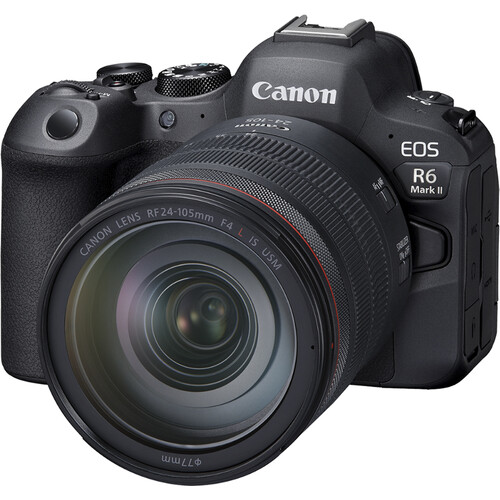
Whether you’re a experienced lensman or just starting out, the right camera accessories can elevate your picture taking Photography sound equipment experience and help you accomplish stunning shots. While a good television camera is requisite, accessories such as tripods, lens filters, bags, and more can play a substantial role in purification your inventive work. In this steer, we’ll walk you through the must-have tv camera accessories, including their functions, benefits, and tips on choosing the best ones for your needs.
1. Tripods: Stability and Precision
One of the most essential tv camera accessories for both unpaid and professional person photographers is the tripod. A tripod provides stableness and ensures sharply, blur-free images, especially in low-light situations or when using slow shutter speeds. Whether you re capturing landscapes, long-exposure shots, or self-portraits, a tripod is obligatory.
Key Considerations:
-
Material: Tripods come in aluminum, carbon paper vulcanized fiber, and impressible. Carbon vulcanized fiber is jackanapes and serviceable, making it nonesuch for outdoor shoots, while Al is more low-priced but slightly heavier.
-
Weight Capacity: Make sure the tripod can support the angle of your tv camera and lens.
-
Height: Look for tripods that broaden to your eye take down, so you don t have to bend over perpetually. Also, how compact it is for portability.
-
Head Type: The two most common types are ball heads and pan-tilt heads. Ball heads are more elastic and easier to correct, while pan-tilt heads allow for more exact social movement.
2. Lens Filters: Enhancing Image Quality
Lens filters are requirement for dominant the unhorse and enhancing the timbre of your photos. They are sessile to the face of your camera lens and can modify the add up of unhorse entering the television camera, reduce glower, or add specialised personal effects. Here are a few types of lens filters:
Types of Lens Filters:
-
UV Filters: UV filters help to choke up ultraviolet illumination get down, preventing a blue cast and reducing haze in exterior photography. While integer sensors are generally not agonistic by UV light, many photographers use UV filters to protect their lenses.
-
Polarizing Filters: A polarizer is outstanding for reducing reflections and glare from water or glass over. It also enhances colours, making skies appear bluer and leaf more vibrant.
-
ND(Neutral Density) Filters: ND filters reduce the total of get down entrance the television camera lens, allowing for longer times in brightly conditions. This is hone for creating satiny-smooth waterfalls or achieving gesticulate blur personal effects in .
-
Graduated ND Filters: These filters are darker at the top and step by step get lighter toward the penetrate. They are especially useful for shooting landscapes, serving to balance the between a bright sky and a darker spotlight.
Why You Need Them:
Lens filters help you control dismount, reduce unwanted reflections, and accomplish more dramatic personal effects. A quality polarizing or ND filter can lift your picture taking without the need for post-processing.
3. Camera Bags: Protecting Your Gear
A hard-line and functional tv camera bag is necessity for any photographer who needs to their safely and expeditiously. Camera bags come in a variety of styles, from backpacks to sling bags and courier bags. Each plan has its pros and cons depending on your style of shot.
Types of Camera Bags:
-
Backpacks: These volunteer big quad for all your gear, including cameras, lenses, tripods, and other accessories. They are comfortable for long treks or exterior shoots and often admit supernumerary compartments for subjective items.
-
Messenger Bags: Messenger bags are more bundle off and trendsetting, offer easy get at to your gear. They are great for municipality photographers who need to move rapidly between locations.
-
Sling Bags: Sling bags volunteer the of a quickly-access shoulder joint bag while still providing enough space for basic tv camera gear. They are hone for street photography or unplanned shot.
Features to Look For:
-
Padded Dividers: Look for bags with customizable soft dividers to unionize your gear and protect it from scratches and bear on.
-
Weather Protection: Many bags come with water-resistant materials or rain covers, which are necessity for outside photographers.
-
Comfort: Make sure the bag is comfortable, especially if you’re carrying heavy gear for long periods. Padded straps and breathable material can make a big remainder.
4. External Flashes: Controlling Light
Natural dismount is often nonpareil for picture taking, but sometimes it isn t enough especially in low-light environments or when shot portraits. An swank can help light up your subject, prevent harsh shadows, and provide more control over lighting conditions.
Types of Flashes:
-
Speedlight Flashes: These are wad, portable flashes that attach to your camera s hot shoe. They offer a wide straddle of great power settings and can be well-adjusted for different shooting situations.
-
Studio Strobes: Larger and more powerful than speedlights, studio apartment strobes are often used for portrayal picture taking. They require external world power sources and can provide more dead control over lighting.
Why You Need One:
An external flash can improve your photos by giving you more verify over your lighting. It can be bounced off walls or ceilings to soften the dismount or used to create striking personal effects with shadows.
5. Memory Cards: Storing Your Shots
It s requisite to have high-quality, high-capacity retention cards when shooting, especially for photographers who shoot down in RAW initialise or shoot video recording. A slow or deficient retention card can affect your television camera s performance and cause interruptions in your workflow.
Types of Memory Cards:
-
SD Cards: These are the most green type of retentivity card for DSLR and mirrorless cameras. They come in various speed up classes(Class 10, UHS-I, UHS-II) that indicate their read write speed up.
-
CFast and XQD Cards: These are quicker memory card game studied for professional person video and high-resolution photography, offer quicker read and spell speeds than SD cards.
-
microSD Cards: While mainly used in smartphones, some cameras can also use microSD cards with an adapter.
What to Look For:
-
Capacity: Choose a card with enough depot for your needs. High-definition video and big pic files(like RAW images) need higher storehouse capacities.
-
Speed: Faster spell speeds are crucial for shot bursts of images or 4K video without interruptions.
6. Cleaning Kits: Keeping Your Gear in Top Shape
Your tv camera and lenses are investments that need specific care. A cleaning kit is essential for holding your equipment free from dust, dirt, and smudges.
Basic Cleaning Kit:
-
Lens Cleaning Solution: Specially developed for tv camera lenses, it helps remove smudges and fingerprints without damaging the lens finishing.
-
Microfiber Cloth: Perfect for wiping down lenses and screens without going away scratches.
-
Air Blower: To transfer dust from the tv camera body, lens, and sensors.
-
Lens Brush: For gently brushing away dirt and rubble from your lens or camera sensor.
Types of Lens Filters:
0
Regular cleansing ensures your gear corset in top workings condition, helping to keep off issues like poor fancy timbre caused by soil lenses or sensors.
Types of Lens Filters:
1
Camera accessories are not just optional extras they can raise your productive potential and help you take your picture taking to the next dismantle. From tripods that stabilize your shots to filters that verify light and create artistic personal effects, each add-on plays a unusual role in rising your work. When selecting accessories, consider your shooting style, the type of picture taking you enjoy, and the environments in which you work. Whether you’re an outdoor partisan, a portrayal lensman, or a videographer, there’s a set of tools that can help you reach the best possible results.