

Polycystic ovary syndrome (PCOS) is a common hormonal condition that affects millions of women worldwide. It can cause irregular periods, weight changes, acne, unwanted hair growth, fertility challenges, and problems related to blood sugar balance.
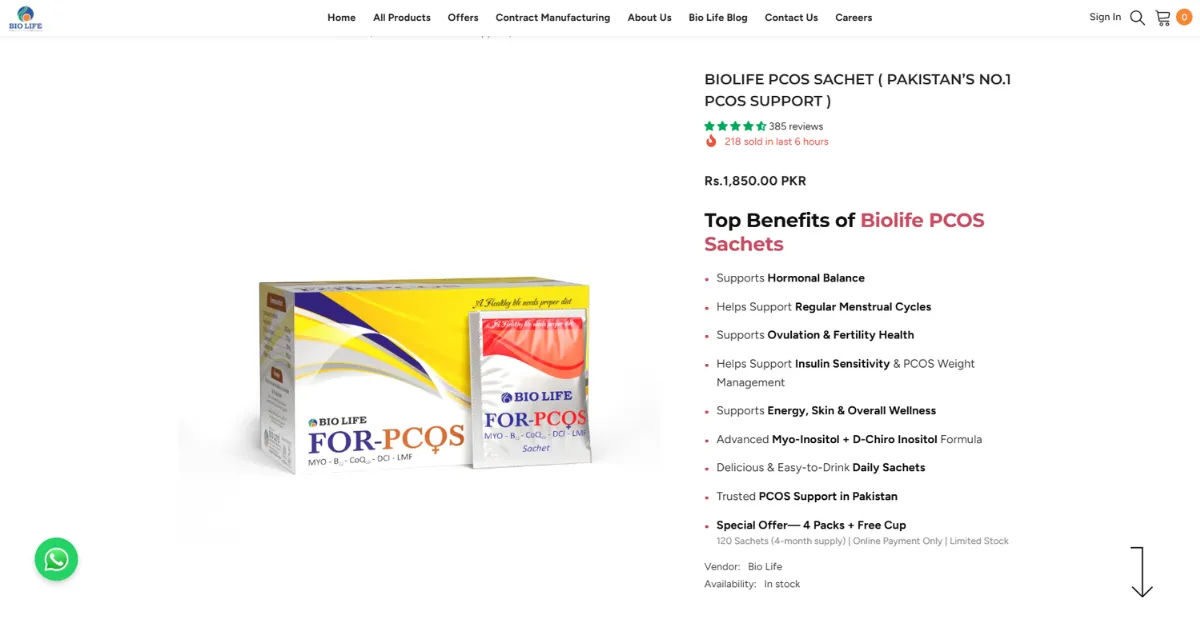
Many women look for natural ways to manage their symptoms, and PCOS Supplements have become a popular option for supporting hormonal health and overall wellness.Natural supplements are often promoted as a gentle approach because they usually contain vitamins, minerals, herbs, and plant-based ingredients. But the important question is: are natural PCOS Supplements actually effective, or are they simply another health trend?
The answer depends on several factors, including the ingredients used, the severity of PCOS symptoms, lifestyle habits, and individual body responses. While some supplements may help support certain symptoms, they are not a guaranteed cure for PCOS. A balanced approach that includes healthy nutrition, regular exercise, medical guidance, and appropriate supplementation often provides the best results.
This comprehensive guide explains how natural PCOS Supplements work, which ingredients may be beneficial, their possible advantages, limitations, and what women should consider before adding them to their daily routine.
PCOS and Its Effects on the Body
PCOS is a hormonal disorder that affects the function of the ovaries. Women with PCOS may produce higher levels of androgens, commonly known as male hormones, which can interfere with normal ovulation and menstrual cycles.
Although the name suggests a problem only related to the ovaries, PCOS affects many areas of the body. It can influence metabolism, insulin sensitivity, skin health, mood, and reproductive health.
Common symptoms of PCOS include:
- Irregular or missed periods
- Difficulty getting pregnant
- Acne and oily skin
- Excess facial or body hair
- Hair thinning or hair loss
- Weight gain or difficulty losing weight
- Insulin resistance
- Increased cravings and energy fluctuations
Every woman experiences PCOS differently. Some women have mild symptoms, while others experience multiple challenges that affect daily life.
Because PCOS involves several interconnected systems, many women explore nutritional support through natural PCOS Supplements to help address specific concerns.
What Are Natural PCOS Supplements?
Natural PCOS Supplements are products made from ingredients that may support hormonal balance, metabolism, reproductive health, and general wellness. They can include vitamins, minerals, antioxidants, and herbal extracts.
Unlike prescription medications that target specific medical processes, supplements usually work by providing nutrients that support the body's natural functions.
Examples of commonly used ingredients include:
- Inositol
- Vitamin D
- Omega-3 fatty acids
- Zinc
- Magnesium
- Chromium
- N-acetyl cysteine (NAC)
- Herbal extracts such as cinnamon and spearmint
The effectiveness of these ingredients varies depending on the individual and the quality of the supplement.
It is important to understand that supplements are designed to support health, not replace medical treatment.
How Do PCOS Supplements Work?
The body requires proper nutrition to maintain hormonal balance, energy production, and metabolic health. Certain nutrients may help improve some processes that are commonly affected in women with PCOS.
Supporting Insulin Sensitivity
Insulin resistance is one of the most common concerns associated with PCOS. When the body does not respond properly to insulin, it may produce more insulin to control blood sugar levels.
Higher insulin levels can encourage the ovaries to produce more androgens, which may worsen PCOS symptoms.
Some natural ingredients may help support better insulin sensitivity. For example, inositol has been widely researched for its potential role in improving insulin function and supporting regular menstrual cycles.
However, results can vary from person to person.
Helping Maintain Hormonal Balance
Hormonal imbalance is a major part of PCOS. Certain nutrients may support the body's ability to regulate hormones naturally.
For example:
- Vitamin D supports reproductive and immune health.
- Zinc contributes to normal hormone production.
- Omega-3 fatty acids may support healthy inflammation levels.
These nutrients may help create better conditions for hormonal health, especially when combined with healthy lifestyle habits.
Supporting Menstrual Regularity
Many women with PCOS experience irregular periods due to problems with ovulation. Some supplements may support ovarian function and hormonal pathways involved in cycle regulation.
However, supplements usually require consistent use over time, and results are not immediate.
Women should avoid expecting overnight changes because hormonal improvements often happen gradually.
Common Natural Ingredients Found in PCOS Supplements
Understanding the ingredients can help women make better decisions about supplementation.
Inositol
Inositol is one of the most commonly researched ingredients for PCOS support. It is a type of carbohydrate that plays a role in insulin signaling and cellular communication.
Research suggests that certain forms of inositol may help:
- Support insulin sensitivity
- Encourage regular ovulation
- Improve menstrual cycle patterns
- Support reproductive health
Many women choose inositol-based products because insulin imbalance is a major factor in many PCOS cases.
Vitamin D
Vitamin D deficiency is common among many people, including women with PCOS.
Vitamin D plays an important role in:
- Immune function
- Bone health
- Hormonal processes
- General wellness
Maintaining healthy vitamin D levels may support overall health, although vitamin D alone does not eliminate PCOS symptoms.
Omega-3 Fatty Acids
Omega-3 fatty acids are healthy fats commonly found in fish oil and certain plant sources.
They may support:
- Heart health
- Healthy inflammation responses
- Metabolic wellness
Since PCOS can be associated with metabolic concerns, omega-3s may be helpful as part of a balanced health plan.
N-Acetyl Cysteine (NAC)
NAC is an antioxidant compound that has received attention for its possible benefits in women with PCOS.
It may support:
- Antioxidant protection
- Healthy insulin response
- Reproductive function
More research is still needed to understand its long-term effects.
Zinc
Zinc is an essential mineral involved in many body functions.
It supports:
- Skin health
- Immune function
- Normal hormone activity
Because acne and skin concerns are common PCOS symptoms, zinc is often included in formulas designed for hormonal wellness.
Cinnamon
Cinnamon has been studied for its possible effects on blood sugar regulation.
Some research suggests it may help support glucose metabolism, which is important for women experiencing insulin-related PCOS symptoms.
However, cinnamon should not be viewed as a replacement for medical treatment.
Benefits of Using Natural PCOS Supplements
Natural supplements may provide several potential benefits when used correctly.
May Support Better Hormonal Health
Some supplements contain nutrients that support normal hormone processes. This may help women manage certain symptoms associated with hormonal imbalance.
May Improve Metabolic Support
Because insulin resistance is common in PCOS, supplements that support healthy blood sugar management may be beneficial for some individuals.
May Support Skin and Hair Health
PCOS-related hormonal changes can affect skin and hair. Nutrients like zinc, vitamin D, and antioxidants may support healthier skin and hair conditions.
May Support Fertility Goals
Some women with PCOS struggle with ovulation. Certain supplements may support reproductive health by improving factors connected with hormonal balance.
However, fertility concerns should always be discussed with a healthcare professional.
Are Natural PCOS Supplements Effective for Everyone?
The effectiveness of supplements depends on several personal factors.
No single supplement works the same way for every woman because PCOS is a complex condition with different causes and symptoms.
Factors that influence results include:
- Age
- Hormone levels
- Diet quality
- Physical activity
- Insulin sensitivity
- Existing health conditions
- Supplement quality
- Consistency of use
A woman with vitamin deficiencies may notice improvements after correcting those deficiencies, while another woman may see limited changes.
This is why personalized approaches are usually more effective than choosing supplements randomly.
Limitations of Natural PCOS Supplements
Although supplements can be helpful, they also have limitations.
They Are Not a Cure for PCOS
PCOS is a long-term condition. Supplements may help manage symptoms, but they do not completely remove the underlying condition.
Results Take Time
Natural approaches generally require patience. Hormonal and metabolic changes often develop slowly.
Quality Matters
Not all supplements are created equally. Some products may contain poor-quality ingredients or ineffective amounts of nutrients.
Choosing reputable products and checking ingredient labels is important.
They Should Not Replace Medical Advice
Women with severe symptoms, fertility concerns, or significant hormonal problems should consult healthcare professionals.
Supplements should work alongside appropriate medical care, not replace it.
Lifestyle Habits That Improve PCOS Management
Supplements work best when combined with healthy daily habits.
Follow a Balanced Diet
A nutritious diet can support hormone balance and metabolic health.
Focus on:
- Protein-rich foods
- High-fiber vegetables
- Whole grains
- Healthy fats
- Reduced intake of highly processed foods
Exercise Regularly
Physical activity can support insulin sensitivity, mood, and weight management.
Both strength training and moderate cardiovascular exercise can be beneficial.
Manage Stress
Stress can affect hormone levels and overall health. Practices like meditation, proper sleep, and relaxation techniques may support better well-being.
Maintain Quality Sleep
Poor sleep can influence hormones, appetite, and energy levels. Creating a consistent sleep routine can support PCOS management.
How to Choose the Right PCOS Supplements
Before selecting a supplement, consider the following points:
Check the Ingredients
Look for scientifically studied ingredients and avoid products with unnecessary additives.
Understand Your Symptoms
Different supplements may target different concerns. Someone dealing with insulin resistance may need different support than someone focusing on skin health.
Consider Professional Guidance
A healthcare provider can help identify nutrient deficiencies and recommend appropriate options.
Be Patient
Natural approaches usually require consistent use over several weeks or months.
Frequently Asked Questions
Can PCOS Supplements completely cure PCOS?
No. Supplements cannot cure PCOS, but they may help support symptom management and overall health when combined with lifestyle changes and medical care.
How long does it take to see results from supplements?
The timeline varies. Some people notice changes within a few months, while others may require longer periods depending on their symptoms and lifestyle.
Are natural supplements safe?
Many natural supplements are considered safe when used properly, but some may interact with medications or may not be suitable for everyone.
Can supplements help with PCOS weight management?
Some supplements may support metabolism and insulin sensitivity, but weight management usually requires balanced nutrition, exercise, and healthy habits.
Should I take supplements without consulting a doctor?
It is recommended to discuss supplementation with a healthcare professional, especially if you have existing medical conditions or take medications.
Conclusion
Natural PCOS Supplements can be a useful part of a broader approach to managing PCOS symptoms. Certain ingredients, such as inositol, vitamin D, omega-3 fatty acids, zinc, and NAC, have shown potential benefits for supporting insulin balance, hormonal health, and overall wellness.
However, supplements are not a quick solution or a replacement for healthy lifestyle choices and medical guidance. Their effectiveness depends on individual needs, consistency, supplement quality, and the specific challenges a woman is experiencing.
The best approach to PCOS management combines proper nutrition, regular physical activity, stress management, quality sleep, and carefully selected supplementation when needed.
Women considering PCOS Supplements should focus on evidence-based options and choose products that match their personal health goals. With the right approach, supplements may provide valuable support and help improve quality of life while managing PCOS symptoms.