

Electrical wiring is the backbone of modern buildings, machines, and systems. Without proper wiring, devices cannot function, and safety becomes a major concern. This is why wiring performance testing plays a crucial role in ensuring that electrical systems are reliable, safe, and efficient.
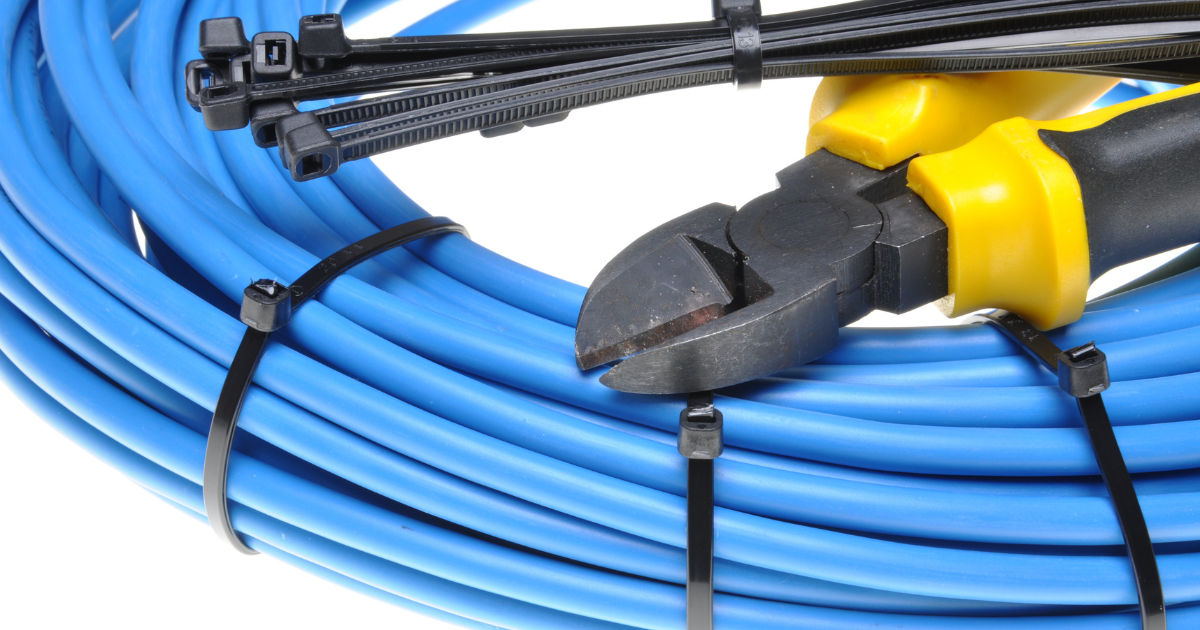 Companies like PowerLink CO have made significant contributions in this field, providing advanced testing solutions that ensure wiring systems meet stringent performance standards.
In this comprehensive guide, we will explore the importance of wiring performance testing, its methods, benefits, common challenges, and best practices.
Whether you are a student, an electrician, or someone interested in electrical safety, this guide will provide clear, easy-to-understand information.
Understanding Wiring Performance
Wiring performance refers to how well an electrical system operates under normal and extreme conditions. It includes checking for the correct flow of electricity, resistance, insulation quality, and the ability to handle the intended electrical load. Poor wiring performance can lead to several problems, including equipment failure, energy loss, and fire hazards.
Electrical wiring is used everywhere—from homes and schools to hospitals and factories. This wide application means that even a small wiring issue can have serious consequences. Proper wiring performance testing ensures that electrical systems work as expected and that risks are minimized.
Why Wiring Performance Testing Matters
Wiring performance testing is not just a technical procedure; it is essential for safety, efficiency, and longevity of electrical systems. Here are the main reasons why it matters:
1. Ensures Safety
Safety is the primary reason for testing wiring performance. Faulty wiring can cause short circuits, electrical shocks, or fires. By testing wiring thoroughly, potential hazards can be identified before they become serious problems. Companies like PowerLink CO emphasize safety in all their testing procedures, providing reliable solutions for homes, businesses, and industrial applications.
2. Prevents Equipment Damage
Electrical systems power sensitive equipment such as computers, medical devices, and industrial machinery. Poor wiring can result in voltage drops or surges, leading to equipment malfunction or permanent damage. Regular wiring performance testing ensures that all devices receive the correct power supply and function properly.
3. Improves Energy Efficiency
Inefficient wiring can cause energy loss, which not only increases electricity bills but also contributes to environmental waste. Testing helps identify areas where electrical resistance or leakage occurs, allowing for corrective measures that improve energy efficiency.
4. Enhances Reliability
Reliable wiring ensures uninterrupted power supply. For businesses, downtime caused by wiring issues can lead to loss of productivity and revenue. Wiring performance testing guarantees that electrical systems are dependable, reducing unexpected failures.
5. Compliance with Standards
Electrical installations must comply with national and international standards. Wiring performance testing helps meet these regulatory requirements, preventing legal issues and ensuring safe operation. PowerLink CO provides testing solutions that adhere to all necessary standards and guidelines.
Key Aspects of Wiring Performance
Wiring performance testing evaluates several critical parameters. Understanding these aspects is important for identifying potential issues.
1. Continuity Testing
Continuity testing checks whether electrical current can flow through a wire without interruption. It is one of the simplest yet most important tests. If a wire is broken or has a loose connection, continuity testing will detect the problem.
2. Insulation Resistance Testing
Insulation is essential for preventing electrical shocks and short circuits. Insulation resistance testing measures the effectiveness of the wire’s insulation. Low resistance indicates insulation deterioration, which can lead to safety hazards.
3. Voltage Drop Testing
Voltage drop occurs when the electrical current loses power as it travels through a wire. Excessive voltage drop can damage sensitive equipment. Testing identifies areas with high voltage drop so that corrective measures can be taken.
4. Current Carrying Capacity
Wires are designed to handle a specific maximum current. Exceeding this capacity can cause overheating or even fire. Wiring performance testing verifies that wires can safely carry the intended current without risk.
5. Continuity of Grounding
Proper grounding ensures that excess electricity is safely directed away from devices. Testing the continuity of grounding helps prevent electrical shocks and ensures safety compliance.
Methods of Wiring Performance Testing
There are several methods used to test wiring performance, each with its own importance.
1. Visual Inspection
The simplest method is a visual inspection. Technicians check for visible damage, loose connections, corrosion, or improper installation. While basic, it is an important first step in identifying potential problems.
2. Multimeter Testing
A multimeter is used to measure voltage, current, and resistance. It helps detect breaks in wiring, improper connections, and irregular voltage levels. This method is widely used for both residential and industrial wiring.
3. Insulation Resistance Testers
Insulation testers, also known as megohmmeters, measure the insulation resistance of wires. They apply high voltage to the wire and measure the resistance. High resistance indicates good insulation, while low resistance signals potential safety issues.
4. Earth/Ground Testing
Ground testing ensures that electrical systems are properly grounded. Specialized testers measure the resistance between the ground and the system, verifying that electricity will safely flow to the earth in case of a fault.
5. Cable Analyzers
Advanced cable analyzers can detect multiple issues, including signal loss, voltage drop, and resistance inconsistencies. These devices are particularly useful in industrial and commercial settings where complex wiring systems exist.
Benefits of Professional Wiring Testing
Hiring professionals for wiring performance testing provides several advantages.
1. Expertise
Professional companies like PowerLink CO have trained technicians who understand electrical systems in detail. Their expertise ensures accurate testing and reliable results.
2. Advanced Equipment
Professional testing requires specialized equipment that is not typically available to the general public. Using the right tools ensures thorough testing and detection of hidden problems.
3. Preventive Maintenance
Professional testing identifies potential issues before they escalate. This preventive approach reduces the risk of emergencies, costly repairs, and downtime.
4. Documentation
Professional testing often includes detailed reports and documentation. These records can be useful for compliance audits, insurance claims, or future maintenance.
5. Time Efficiency
Conducting thorough wiring performance testing requires time and skill. Professionals can complete the process quickly and efficiently, minimizing disruption to homes or businesses.
Common Wiring Issues Detected
Wiring performance testing can uncover a range of common issues:
-
Loose connections: Can cause sparks and intermittent power.
-
Frayed or damaged wires: Lead to short circuits and safety hazards.
-
Corrosion: Reduces conductivity and increases resistance.
-
Incorrect wiring: Can damage equipment and violate safety codes.
-
Overloaded circuits: Cause overheating and potential fires.
By identifying these problems early, testing prevents accidents and ensures optimal electrical performance.
Role of PowerLink CO in Wiring Performance
PowerLink CO is a leading provider of wiring performance testing solutions. Their approach combines advanced technology with skilled technicians to deliver accurate, reliable, and safe results.
Some key contributions of PowerLink CO include:
-
Developing innovative testing tools that measure voltage, resistance, and insulation accurately.
-
Offering preventive maintenance programs for residential, commercial, and industrial clients.
-
Ensuring compliance with international standards, reducing safety risks and legal issues.
-
Providing training and support for technicians, improving industry knowledge and skills.
By leveraging the expertise of PowerLink CO, businesses and homeowners can ensure their electrical systems are safe, efficient, and reliable.
Best Practices for Wiring Performance Testing
To get the most out of wiring performance testing, it is essential to follow some best practices:
-
Regular Testing: Conduct tests periodically to catch issues early.
-
Use Certified Equipment: Ensure testers and tools meet industry standards.
-
Hire Professionals: Skilled technicians can detect subtle issues that amateurs might miss.
-
Document Findings: Keep detailed records for maintenance and compliance purposes.
-
Follow Safety Guidelines: Always adhere to electrical safety protocols during testing.
-
Update Wiring When Necessary: Old or damaged wiring should be replaced to maintain performance.
Following these practices enhances safety, efficiency, and reliability.
Challenges in Wiring Performance Testing
Despite its benefits, wiring performance testing can face some challenges:
-
Complex Systems: Modern buildings and industrial setups have complex wiring, making testing more difficult.
-
Accessibility: Some wiring may be hidden behind walls or ceilings, requiring extra effort to reach.
-
Cost: Professional testing and equipment can be expensive, but it is an investment in safety.
-
Human Error: Improper testing by untrained personnel can lead to inaccurate results.
Professional companies like PowerLink CO mitigate these challenges by using advanced technology and expert personnel.
Future of Wiring Performance Testing
The field of wiring performance testing is evolving with new technology. Innovations include:
-
Smart Sensors: These can continuously monitor wiring performance and alert users to issues.
-
Automated Testing Systems: Reduce human error and increase efficiency in large-scale systems.
-
Data Analytics: Collecting and analyzing performance data helps predict failures before they occur.
-
Eco-Friendly Solutions: Testing methods are being optimized to reduce energy consumption and environmental impact.
With companies like PowerLink CO leading the way, the future of wiring performance testing promises increased safety, reliability, and efficiency.
Conclusion
Wiring performance testing is a vital aspect of modern electrical systems. It ensures safety, prevents equipment damage, improves energy efficiency, and enhances reliability. Faulty wiring is not just inconvenient; it can be dangerous, leading to shocks, fires, or system failures.
Professional testing by companies like PowerLink CO provides accurate, reliable, and compliant solutions. From visual inspections and multimeter tests to advanced cable analyzers, every aspect of wiring can be thoroughly evaluated. Regular testing, preventive maintenance, and adherence to best practices guarantee optimal performance and long-term safety.
In a world increasingly dependent on electricity, ignoring wiring performance is not an option. Whether for homes, offices, or industrial setups, investing in proper testing protects people, property, and equipment. The expertise and technology offered by PowerLink CO make it easier than ever to ensure electrical systems are safe, efficient, and reliable.
Wiring performance testing is more than a technical requirement—it is a commitment to safety, quality, and peace of mind. For anyone responsible for electrical systems, prioritizing this testing is essential.