

Transportation plays a vital role in the success of any large gathering. Whether you are planning a corporate conference, an industry trade show, or a major event, ensuring smooth, reliable, and comfortable travel for attendees is essential.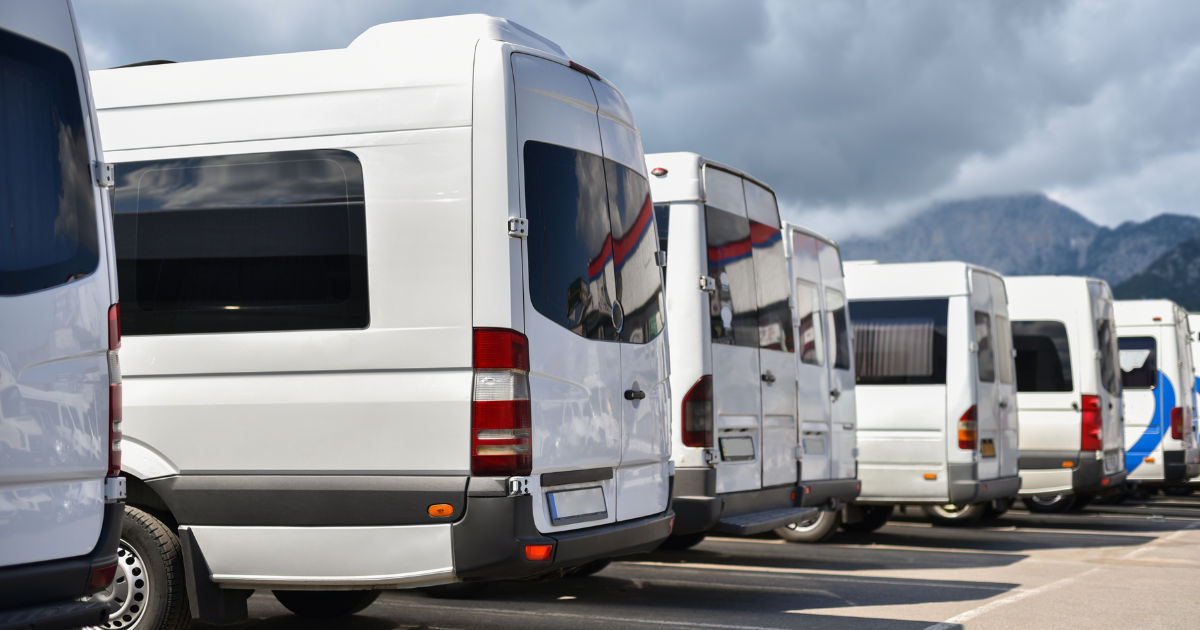
This events and conference transportation guide will walk you through all aspects of planning, executing, and managing transportation, making your event experience seamless and stress-free.
From selecting the right vehicles to coordinating schedules, this guide covers every detail to help planners make informed decisions. Proper planning can save time, reduce costs, and enhance attendees’ satisfaction. Let’s dive into the essential elements of events and conference transportation.
Why Events and Conference Transportation Matters
Efficient transportation is more than just moving people from one place to another. It impacts the overall impression of the event, attendee experience, and even the success of conference sessions.
Improving Attendee Experience
When attendees arrive on time and without hassle, they are more likely to enjoy and engage in the event. Poor transportation can cause stress, delays, and negative feedback. Reliable events and conference transportation ensures participants feel valued and cared for.
Time Management
Conferences often have tight schedules. Sessions, workshops, and networking events depend on punctuality. Coordinated transportation helps keep the agenda on track, preventing delays that could disrupt the flow of the event.
Cost Efficiency
Surprisingly, organizing transportation efficiently can save money. Bulk transport solutions, such as charter buses or shuttle services, reduce the need for individual taxis or rideshares. This centralized approach minimizes costs while maximizing convenience.
Types of Transportation Options
Different events require different transportation methods. Choosing the right type depends on attendee numbers, budget, distance, and location.
Shuttle Buses
Shuttle buses are ideal for transporting large groups between hotels, conference venues, and airports. They are cost-effective, scalable, and reliable. For events and conference transportation, shuttle buses provide a structured schedule, ensuring attendees always know when and where to travel.
Charter Buses
Charter buses are a premium option for longer distances or when privacy is important. They are perfect for executive groups or VIP attendees. These buses often come with amenities such as Wi-Fi, reclining seats, and entertainment systems, offering comfort for longer journeys.
Vans and Minibuses
For medium-sized groups, vans or minibuses offer flexibility. They can navigate narrow city streets and provide faster door-to-door service. These vehicles are perfect for workshops, site visits, or breakout sessions where smaller groups need dedicated transport.
Ride-Sharing and Taxis
While less predictable, ride-sharing services and taxis can complement larger transportation plans. They are particularly useful for late arrivals, emergencies, or attendees with special needs. However, relying solely on individual rides is often inefficient for large conferences.
Trains and Public Transit
In urban settings, trains, subways, or buses may be a practical solution. Coordinating with public transit authorities can help secure group passes or reserved seating. While not as private, public transport can be cost-effective for large events with local attendees.
Planning Your Transportation Strategy
A successful events and conference transportation plan begins well before the event date. Thoughtful planning ensures smooth execution and minimizes last-minute surprises.
Assessing Attendee Needs
Start by understanding your attendees’ needs. Consider the following:
-
Number of participants
-
Arrival and departure locations
-
Special accessibility requirements
-
Preferred travel times
Surveys and registration forms can help collect this information efficiently.
Choosing the Right Vehicles
Select vehicles based on group size, distance, and event type. For large groups, charter buses or multiple shuttle buses are ideal. Smaller teams or VIPs may prefer vans or luxury vehicles. Always consider comfort, reliability, and capacity.
Creating a Transportation Schedule
A detailed schedule ensures everyone arrives on time. Key elements include:
-
Departure and arrival times
-
Pickup locations
-
Estimated travel durations
-
Buffer times for traffic or delays
Digital tools like event apps or scheduling software can communicate schedules to attendees in real-time.
Coordinating with Venues
Work closely with hotels, airports, and conference centers. Confirm loading zones, parking spaces, and any restrictions. Collaboration with venues avoids confusion and ensures smooth logistics.
Budgeting
Transportation can be a major cost factor. Include vehicle rentals, fuel, driver fees, and contingencies. Negotiating group rates or contracts with providers can significantly reduce expenses. Proper budgeting allows for efficient events and conference transportation without compromising quality.
Key Considerations for Large Events
Large conferences or multi-day events present additional challenges. Planning ahead is crucial to avoid chaos.
Traffic and Timing
High traffic volumes can disrupt schedules. Factor in peak travel times and consider alternative routes. Advance planning with local authorities or traffic management teams can help avoid delays.
Accessibility
Ensure all vehicles accommodate participants with disabilities. This includes wheelchair-accessible buses, ramps, and trained drivers. Accessibility is a vital component of inclusive events and conference transportation planning.
Safety Protocols
Safety must be a top priority. Confirm that vehicles are well-maintained, drivers are licensed, and insurance coverage is adequate. Emergency plans, including first aid and breakdown assistance, should be in place.
Communication
Clear communication is essential. Use event apps, emails, or text notifications to inform attendees about schedules, pickup points, and any changes. Transparent communication reduces confusion and improves overall satisfaction.
Contingency Planning
Even the best-laid plans can face disruptions. Prepare backup vehicles, alternate routes, and flexible schedules. This ensures attendees still reach their destinations on time, maintaining the smooth flow of your event.
Technology in Events and Conference Transportation
Modern technology has transformed how organizers manage group travel. Digital tools make transportation more efficient, trackable, and responsive.
Event Apps
Event apps allow attendees to view transportation schedules, track buses in real-time, and receive instant updates. Apps can also offer push notifications for delays or changes, reducing stress and confusion.
GPS Tracking
GPS tracking for vehicles ensures organizers can monitor progress, manage delays, and adjust schedules dynamically. This is especially useful for multi-location conferences or large groups spread across several vehicles.
Online Booking Systems
Pre-booking vehicles online allows for easy management of reservations, payments, and attendee preferences. This streamlines the process and ensures accuracy in logistics planning.
Data Analytics
Analyzing transportation data from previous events helps optimize routes, vehicle usage, and scheduling. Insights from past conferences can improve efficiency and reduce costs in future events.
Sustainable Transportation Solutions
Sustainability is becoming increasingly important for modern events. Green transportation solutions can reduce environmental impact while enhancing your brand image.
Electric or Hybrid Vehicles
Electric buses, vans, or cars reduce emissions and noise. Using hybrid vehicles for shorter trips also supports sustainability initiatives.
Shared Rides
Encouraging group rides instead of individual vehicles reduces traffic congestion and fuel consumption. Shuttle buses or shared vans are ideal for achieving this goal.
Eco-Friendly Practices
Minimizing idling, planning efficient routes, and reducing unnecessary trips are simple yet effective ways to promote sustainability in events and conference transportation.
Benefits of Professional Transportation Services
Hiring professional transportation services can simplify planning and execution, allowing organizers to focus on the event itself.
Reliability
Professional drivers are trained to manage schedules, handle emergencies, and provide safe transportation. This reliability ensures attendees arrive on time and in comfort.
Convenience
Transportation providers often handle logistics such as permits, parking arrangements, and scheduling. This reduces stress for event organizers.
Enhanced Attendee Experience
Quality vehicles, amenities, and smooth scheduling enhance attendees’ overall experience. Positive travel experiences contribute to favorable impressions of your event.
Cost Management
Professional services can help optimize routes and vehicle usage, reducing overall costs while maintaining high standards of service.
Common Mistakes to Avoid
Even experienced planners can encounter pitfalls. Being aware of these mistakes helps ensure smoother execution.
Underestimating Group Size
Failing to accurately estimate attendee numbers can lead to overcrowded vehicles or insufficient transportation. Always plan for slight overages.
Ignoring Traffic Patterns
Neglecting traffic considerations can cause delays and disrupt the event schedule. Research peak hours and potential bottlenecks.
Poor Communication
Lack of clear instructions leaves attendees confused and frustrated. Ensure all communication channels are used effectively.
Overlooking Accessibility
Not accommodating participants with special needs can create inconvenience and legal issues. Accessibility should be prioritized from the start.
Last-Minute Planning
Waiting until the last moment often results in limited vehicle availability, higher costs, and stress. Early planning is crucial for successful events and conference transportation.
Tips for Smooth Execution
Successful execution relies on attention to detail and proactive management.
Conduct Site Visits
Visiting venues, hotels, and transportation hubs allows planners to identify potential issues in advance. Site visits help fine-tune schedules and routes.
Test Runs
Conducting test runs with drivers and vehicles ensures timing, routes, and logistics work as planned. This minimizes surprises on the event day.
Assign Transportation Coordinators
Designate staff members to manage transportation operations. Coordinators can monitor schedules, communicate with drivers, and assist attendees.
Gather Feedback
Collect feedback from attendees about transportation efficiency and comfort. Insights help improve planning for future events.
Keep Documentation
Maintain records of schedules, contracts, and emergency plans. Proper documentation ensures accountability and simplifies problem-solving.
Case Study: Corporate Conference Transportation
Consider a large corporate conference with 1,500 attendees spread across multiple hotels. Coordinating transportation requires:
-
Multiple shuttle buses running every 15 minutes
-
VIP vans for executives
-
GPS tracking for all vehicles
-
Real-time updates via event app
-
Emergency backup vehicles
With careful planning and professional services, the conference runs smoothly, ensuring attendees reach sessions on time, creating a positive experience.
Conclusion
Efficient events and conference transportation is a cornerstone of successful event planning. From improving attendee experience and maintaining schedules to reducing costs and enhancing sustainability, transportation plays a pivotal role. By understanding attendee needs, choosing the right vehicles, planning detailed schedules, and leveraging technology, organizers can ensure smooth, reliable, and enjoyable travel for all participants.
Avoiding common mistakes, planning for contingencies, and collaborating with professional transportation services further ensures success. Whether your event is a small workshop or a large international conference, prioritizing transportation logistics enhances both attendee satisfaction and overall event effectiveness.
Investing in thoughtful transportation planning is investing in the success of your event. With careful strategy, proper execution, and attention to detail, events and conference transportation becomes a seamless, efficient, and stress-free experience for both organizers and attendees.
Transportation plays a vital role in the success of any large gathering. Whether you are planning a corporate conference, an industry trade show, or a major event, ensuring smooth, reliable, and comfortable travel for attendees is essential.
This events and conference transportation guide will walk you through all aspects of planning, executing, and managing transportation, making your event experience seamless and stress-free.
From selecting the right vehicles to coordinating schedules, this guide covers every detail to help planners make informed decisions. Proper planning can save time, reduce costs, and enhance attendees’ satisfaction. Let’s dive into the essential elements of events and conference transportation.
Why Events and Conference Transportation Matters
Efficient transportation is more than just moving people from one place to another. It impacts the overall impression of the event, attendee experience, and even the success of conference sessions.
Improving Attendee Experience
When attendees arrive on time and without hassle, they are more likely to enjoy and engage in the event. Poor transportation can cause stress, delays, and negative feedback. Reliable events and conference transportation ensures participants feel valued and cared for.
Time Management
Conferences often have tight schedules. Sessions, workshops, and networking events depend on punctuality. Coordinated transportation helps keep the agenda on track, preventing delays that could disrupt the flow of the event.
Cost Efficiency
Surprisingly, organizing transportation efficiently can save money. Bulk transport solutions, such as charter buses or shuttle services, reduce the need for individual taxis or rideshares. This centralized approach minimizes costs while maximizing convenience.
Types of Transportation Options
Different events require different transportation methods. Choosing the right type depends on attendee numbers, budget, distance, and location.
Shuttle Buses
Shuttle buses are ideal for transporting large groups between hotels, conference venues, and airports. They are cost-effective, scalable, and reliable. For events and conference transportation, shuttle buses provide a structured schedule, ensuring attendees always know when and where to travel.
Charter Buses
Charter buses are a premium option for longer distances or when privacy is important. They are perfect for executive groups or VIP attendees. These buses often come with amenities such as Wi-Fi, reclining seats, and entertainment systems, offering comfort for longer journeys.
Vans and Minibuses
For medium-sized groups, vans or minibuses offer flexibility. They can navigate narrow city streets and provide faster door-to-door service. These vehicles are perfect for workshops, site visits, or breakout sessions where smaller groups need dedicated transport.
Ride-Sharing and Taxis
While less predictable, ride-sharing services and taxis can complement larger transportation plans. They are particularly useful for late arrivals, emergencies, or attendees with special needs. However, relying solely on individual rides is often inefficient for large conferences.
Trains and Public Transit
In urban settings, trains, subways, or buses may be a practical solution. Coordinating with public transit authorities can help secure group passes or reserved seating. While not as private, public transport can be cost-effective for large events with local attendees.
Planning Your Transportation Strategy
A successful events and conference transportation plan begins well before the event date. Thoughtful planning ensures smooth execution and minimizes last-minute surprises.
Assessing Attendee Needs
Start by understanding your attendees’ needs. Consider the following:
-
Number of participants
-
Arrival and departure locations
-
Special accessibility requirements
-
Preferred travel times
Surveys and registration forms can help collect this information efficiently.
Choosing the Right Vehicles
Select vehicles based on group size, distance, and event type. For large groups, charter buses or multiple shuttle buses are ideal. Smaller teams or VIPs may prefer vans or luxury vehicles. Always consider comfort, reliability, and capacity.
Creating a Transportation Schedule
A detailed schedule ensures everyone arrives on time. Key elements include:
-
Departure and arrival times
-
Pickup locations
-
Estimated travel durations
-
Buffer times for traffic or delays
Digital tools like event apps or scheduling software can communicate schedules to attendees in real-time.
Coordinating with Venues
Work closely with hotels, airports, and conference centers. Confirm loading zones, parking spaces, and any restrictions. Collaboration with venues avoids confusion and ensures smooth logistics.
Budgeting
Transportation can be a major cost factor. Include vehicle rentals, fuel, driver fees, and contingencies. Negotiating group rates or contracts with providers can significantly reduce expenses. Proper budgeting allows for efficient events and conference transportation without compromising quality.
Key Considerations for Large Events
Large conferences or multi-day events present additional challenges. Planning ahead is crucial to avoid chaos.
Traffic and Timing
High traffic volumes can disrupt schedules. Factor in peak travel times and consider alternative routes. Advance planning with local authorities or traffic management teams can help avoid delays.
Accessibility
Ensure all vehicles accommodate participants with disabilities. This includes wheelchair-accessible buses, ramps, and trained drivers. Accessibility is a vital component of inclusive events and conference transportation planning.
Safety Protocols
Safety must be a top priority. Confirm that vehicles are well-maintained, drivers are licensed, and insurance coverage is adequate. Emergency plans, including first aid and breakdown assistance, should be in place.
Communication
Clear communication is essential. Use event apps, emails, or text notifications to inform attendees about schedules, pickup points, and any changes. Transparent communication reduces confusion and improves overall satisfaction.
Contingency Planning
Even the best-laid plans can face disruptions. Prepare backup vehicles, alternate routes, and flexible schedules. This ensures attendees still reach their destinations on time, maintaining the smooth flow of your event.
Technology in Events and Conference Transportation
Modern technology has transformed how organizers manage group travel. Digital tools make transportation more efficient, trackable, and responsive.
Event Apps
Event apps allow attendees to view transportation schedules, track buses in real-time, and receive instant updates. Apps can also offer push notifications for delays or changes, reducing stress and confusion.
GPS Tracking
GPS tracking for vehicles ensures organizers can monitor progress, manage delays, and adjust schedules dynamically. This is especially useful for multi-location conferences or large groups spread across several vehicles.
Online Booking Systems
Pre-booking vehicles online allows for easy management of reservations, payments, and attendee preferences. This streamlines the process and ensures accuracy in logistics planning.
Data Analytics
Analyzing transportation data from previous events helps optimize routes, vehicle usage, and scheduling. Insights from past conferences can improve efficiency and reduce costs in future events.
Sustainable Transportation Solutions
Sustainability is becoming increasingly important for modern events. Green transportation solutions can reduce environmental impact while enhancing your brand image.
Electric or Hybrid Vehicles
Electric buses, vans, or cars reduce emissions and noise. Using hybrid vehicles for shorter trips also supports sustainability initiatives.
Shared Rides
Encouraging group rides instead of individual vehicles reduces traffic congestion and fuel consumption. Shuttle buses or shared vans are ideal for achieving this goal.
Eco-Friendly Practices
Minimizing idling, planning efficient routes, and reducing unnecessary trips are simple yet effective ways to promote sustainability in events and conference transportation.
Benefits of Professional Transportation Services
Hiring professional transportation services can simplify planning and execution, allowing organizers to focus on the event itself.
Reliability
Professional drivers are trained to manage schedules, handle emergencies, and provide safe transportation. This reliability ensures attendees arrive on time and in comfort.
Convenience
Transportation providers often handle logistics such as permits, parking arrangements, and scheduling. This reduces stress for event organizers.
Enhanced Attendee Experience
Quality vehicles, amenities, and smooth scheduling enhance attendees’ overall experience. Positive travel experiences contribute to favorable impressions of your event.
Cost Management
Professional services can help optimize routes and vehicle usage, reducing overall costs while maintaining high standards of service.
Common Mistakes to Avoid
Even experienced planners can encounter pitfalls. Being aware of these mistakes helps ensure smoother execution.
Underestimating Group Size
Failing to accurately estimate attendee numbers can lead to overcrowded vehicles or insufficient transportation. Always plan for slight overages.
Ignoring Traffic Patterns
Neglecting traffic considerations can cause delays and disrupt the event schedule. Research peak hours and potential bottlenecks.
Poor Communication
Lack of clear instructions leaves attendees confused and frustrated. Ensure all communication channels are used effectively.
Overlooking Accessibility
Not accommodating participants with special needs can create inconvenience and legal issues. Accessibility should be prioritized from the start.
Last-Minute Planning
Waiting until the last moment often results in limited vehicle availability, higher costs, and stress. Early planning is crucial for successful events and conference transportation.
Tips for Smooth Execution
Successful execution relies on attention to detail and proactive management.
Conduct Site Visits
Visiting venues, hotels, and transportation hubs allows planners to identify potential issues in advance. Site visits help fine-tune schedules and routes.
Test Runs
Conducting test runs with drivers and vehicles ensures timing, routes, and logistics work as planned. This minimizes surprises on the event day.
Assign Transportation Coordinators
Designate staff members to manage transportation operations. Coordinators can monitor schedules, communicate with drivers, and assist attendees.
Gather Feedback
Collect feedback from attendees about transportation efficiency and comfort. Insights help improve planning for future events.
Keep Documentation
Maintain records of schedules, contracts, and emergency plans. Proper documentation ensures accountability and simplifies problem-solving.
Case Study: Corporate Conference Transportation
Consider a large corporate conference with 1,500 attendees spread across multiple hotels. Coordinating transportation requires:
-
Multiple shuttle buses running every 15 minutes
-
VIP vans for executives
-
GPS tracking for all vehicles
-
Real-time updates via event app
-
Emergency backup vehicles
With careful planning and professional services, the conference runs smoothly, ensuring attendees reach sessions on time, creating a positive experience.
Conclusion
Efficient events and conference transportation is a cornerstone of successful event planning. From improving attendee experience and maintaining schedules to reducing costs and enhancing sustainability, transportation plays a pivotal role. By understanding attendee needs, choosing the right vehicles, planning detailed schedules, and leveraging technology, organizers can ensure smooth, reliable, and enjoyable travel for all participants.
Avoiding common mistakes, planning for contingencies, and collaborating with professional transportation services further ensures success. Whether your event is a small workshop or a large international conference, prioritizing transportation logistics enhances both attendee satisfaction and overall event effectiveness.
Investing in thoughtful transportation planning is investing in the success of your event. With careful strategy, proper execution, and attention to detail, events and conference transportation becomes a seamless, efficient, and stress-free experience for both organizers and attendees.