

When someone struggles with addiction, seeking help at a drug rehabilitation center is often the first step toward recovery. Inpatient drug rehab centers provide a structured and supportive environment where individuals can focus solely on overcoming addiction.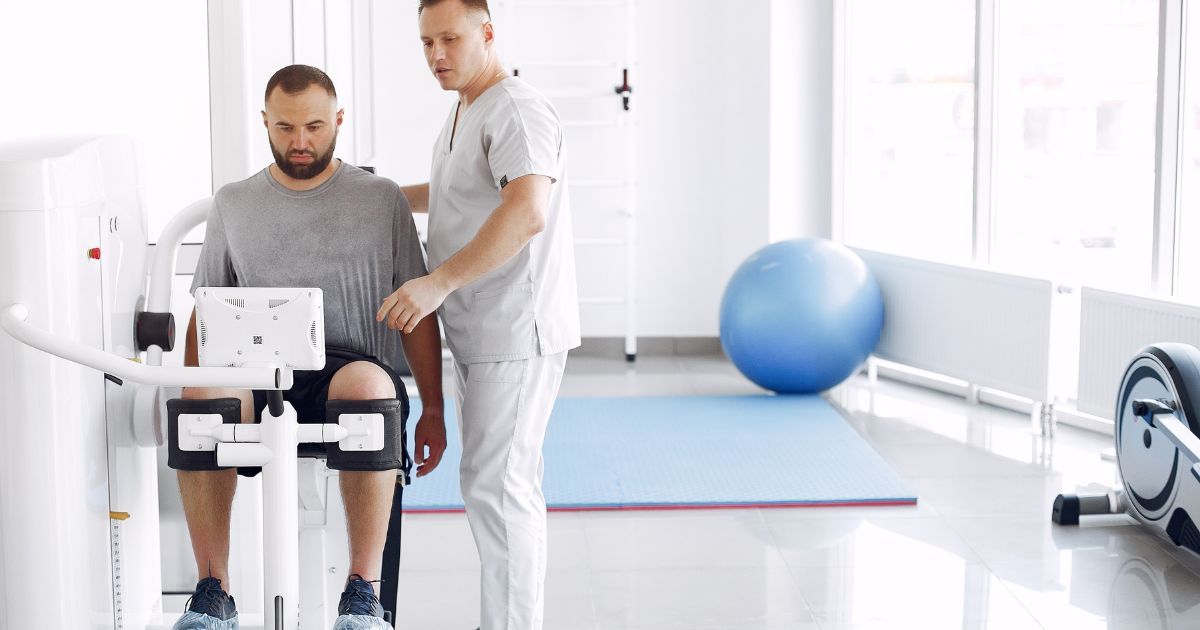
Unlike outpatient programs, inpatient facilities offer round-the-clock care, professional guidance, and a daily schedule designed to promote healing, self-awareness, and long-term sobriety.
Understanding the daily structure of an inpatient drug rehab center is essential for anyone considering treatment. Knowing what to expect helps reduce anxiety about the process and ensures a smoother transition into the recovery journey.
In this comprehensive guide, we will explore the daily routine, types of therapies, activities, and support systems that make a drug rehabilitation center effective.
Morning Routine
The day in an inpatient drug rehab center typically begins early. A structured morning routine sets the tone for the rest of the day and reinforces discipline, which is crucial in recovery. Most centers wake residents around 6:30 to 7:00 AM, depending on the program.
Wake-Up and Personal Hygiene
The day starts with personal hygiene routines. Patients are encouraged to shower, brush their teeth, and dress appropriately for the day. Maintaining personal cleanliness is not only healthy but also reinforces self-respect and responsibility.
Morning Reflection or Meditation
After personal care, residents often engage in morning reflection, meditation, or mindfulness exercises. These practices help individuals center their thoughts, manage anxiety, and prepare mentally for therapy sessions. Mindfulness is particularly effective in addiction recovery because it teaches patients to acknowledge cravings without acting on them.
Breakfast and Nutrition
Nutrition is an essential part of recovery. Most inpatient drug rehab centers provide a balanced breakfast that supports physical and mental health. Eating at regular times helps regulate energy levels, stabilize mood, and create consistency, which is vital for individuals recovering from substance use disorders.
Therapy Sessions
Therapy is the cornerstone of inpatient drug rehab. These sessions provide the tools and skills necessary for long-term sobriety. A typical day includes multiple therapy sessions, each designed to address different aspects of addiction.
Individual Therapy
Individual therapy sessions usually occur in the morning. These one-on-one meetings with a licensed therapist allow residents to explore personal issues related to addiction. Topics may include triggers, past trauma, relationships, and coping strategies. Individual therapy helps patients develop self-awareness and create a personalized recovery plan.
Group Therapy
Group therapy is another key component. Sessions involve multiple residents and are guided by a therapist. The goal is to create a supportive environment where individuals can share experiences, challenges, and successes. Group therapy fosters community, reduces feelings of isolation, and helps patients learn from each other’s journeys.
Family Therapy
Many inpatient drug rehab centers also offer family therapy sessions. Addiction affects not just the individual but also loved ones. Family therapy helps rebuild trust, improve communication, and educate family members about addiction and recovery.
Educational Workshops
Education plays a significant role in inpatient rehab. Most drug rehabilitation centers provide workshops and classes that teach patients about addiction, relapse prevention, and healthy lifestyle choices. These sessions empower residents to make informed decisions and take an active role in their recovery.
Topics often covered in workshops include:
-
Understanding the science of addiction
-
Recognizing triggers and cravings
-
Stress management techniques
-
Building healthy relationships
-
Time management and life skills
Education in a structured environment helps residents develop a sense of control and responsibility, which is critical for preventing relapse after leaving the facility.
Physical Activity and Wellness
Physical wellness is another pillar of inpatient rehab. Addiction often takes a toll on the body, and exercise is an essential part of recovery. Most centers include physical activity in the daily schedule.
Morning or Afternoon Exercise
Exercise routines may include walking, yoga, stretching, or gym sessions. Regular physical activity improves mood, reduces stress, and helps manage withdrawal symptoms. It also instills discipline and promotes overall health, which is crucial for rebuilding life after addiction.
Mind-Body Activities
Some drug rehabilitation centers incorporate mind-body exercises such as yoga, Tai Chi, or meditation. These activities focus on connecting the mind and body, promoting mental clarity, and improving emotional regulation.
Meals and Nutrition
Meals are scheduled at consistent times throughout the day, usually three main meals and one or two snacks. Nutrition is carefully considered in inpatient programs because a healthy diet supports recovery and overall well-being.
-
Lunch: Typically includes lean proteins, vegetables, and whole grains.
-
Dinner: Balanced meals designed to provide energy and maintain proper nutrition.
-
Snacks: Healthy options like fruits, nuts, and yogurt.
Proper nutrition helps regulate mood, manage cravings, and improve cognitive function, which is essential during therapy and learning.
Afternoon Therapy and Activities
The afternoon is often dedicated to additional therapy sessions and therapeutic activities. These sessions reinforce lessons learned earlier in the day and provide hands-on tools for coping with challenges.
Cognitive Behavioral Therapy (CBT)
Many inpatient centers use Cognitive Behavioral Therapy (CBT) to help residents identify negative thought patterns and behaviors. CBT teaches patients how to respond to triggers in a healthy way and develop long-term strategies for managing cravings.
Art and Music Therapy
Creative therapies like art and music provide emotional expression for residents who may struggle to verbalize feelings. Engaging in these activities reduces stress, improves self-esteem, and promotes personal growth.
Life Skills Training
Life skills workshops help residents prepare for life after rehab. Topics may include financial management, job readiness, communication skills, and daily living skills. Learning these skills in a structured environment builds confidence and independence.
Evening Routine
Evenings in an inpatient drug rehab center provide an opportunity for reflection, relaxation, and preparation for the next day. A structured evening routine helps reinforce sobriety and maintain a healthy balance.
Dinner and Social Time
Dinner is often followed by supervised social time, where residents can interact with peers in a controlled setting. Positive social interaction is essential for rebuilding relationships and developing supportive networks.
Evening Therapy Sessions
Some centers offer evening therapy sessions or support groups. These sessions provide an additional opportunity to discuss challenges, reflect on the day, and reinforce coping strategies.
Journaling and Reflection
Residents are encouraged to journal their thoughts and experiences. Journaling promotes self-reflection, emotional processing, and personal insight. It is a valuable tool for maintaining awareness and tracking progress throughout recovery.
Nighttime Routine
A consistent nighttime routine helps residents wind down and prepare for restful sleep, which is crucial for physical and mental recovery.
Relaxation Techniques
Centers often teach relaxation techniques such as deep breathing, guided meditation, or gentle stretching. These practices help reduce stress and promote restful sleep.
Lights Out
Most inpatient drug rehab centers enforce a set bedtime to ensure residents get adequate rest. Sleep is vital for healing, regulating mood, and supporting cognitive function, all of which contribute to successful recovery.
Special Programs and Flexibility
While the daily structure is important, many inpatient drug rehab centers also offer flexibility and special programs tailored to individual needs. These may include:
-
Dual Diagnosis Treatment: For residents struggling with both addiction and mental health disorders.
-
Medication-Assisted Treatment: For those requiring medication to manage withdrawal or cravings.
-
Aftercare Planning: Preparing residents for life after rehab with ongoing support and outpatient programs.
Flexibility ensures that each resident receives personalized care while maintaining the overall structure that promotes recovery.
The Role of Staff
The success of an inpatient drug rehab center relies heavily on its staff. Professional support and guidance are essential for creating a safe and effective recovery environment.
Therapists and Counselors
Licensed therapists provide individual and group therapy, helping residents address underlying issues and develop coping strategies. Counselors guide residents through daily routines, ensuring they follow the program and stay on track.
Medical Professionals
Doctors and nurses monitor residents’ physical health, manage withdrawal symptoms, and provide medical care as needed. Medical oversight ensures safety during detoxification and throughout the recovery process.
Support Staff
Support staff, including nutritionists, activity coordinators, and administrative personnel, ensure that daily operations run smoothly. Their work creates a structured, predictable environment that is conducive to healing.
Benefits of a Structured Daily Routine
The structured daily routine of inpatient drug rehab centers offers numerous benefits for individuals in recovery:
-
Consistency: Predictable schedules reduce stress and anxiety, which are common triggers for relapse.
-
Focus: Residents can concentrate solely on recovery without outside distractions.
-
Accountability: Supervised activities and therapy sessions keep residents accountable for their progress.
-
Holistic Healing: Physical, mental, and emotional well-being are addressed through a combination of therapy, nutrition, and exercise.
-
Skill Building: Life skills and coping strategies are developed in a controlled environment, preparing residents for life after rehab.
Preparing for Inpatient Rehab
Before entering an inpatient drug rehabilitation center, individuals should mentally and practically prepare for the structured environment. Tips include:
-
Acceptance: Embrace the structured routine and understand that it is designed to support recovery.
-
Openness: Be open to different types of therapy and activities.
-
Patience: Recovery is a gradual process, and results may not be immediate.
-
Participation: Engage fully in all sessions and activities to maximize benefits.
Understanding what to expect can help ease the transition and increase the likelihood of long-term success.
Conclusion
Inpatient drug rehab centers provide a highly structured environment designed to support individuals on their journey to recovery. The daily routine—from morning hygiene and therapy sessions to meals, physical activity, and evening reflection—is carefully designed to promote mental, physical, and emotional healing. Through individual and group therapy, educational workshops, creative activities, and skill-building sessions, residents develop the tools necessary to maintain sobriety and rebuild their lives.
The structured daily schedule instills discipline, encourages accountability, and provides a safe and supportive environment where individuals can focus entirely on recovery. Coupled with professional guidance, peer support, and personalized treatment plans, inpatient drug rehabilitation centers offer one of the most effective paths toward overcoming addiction.
For anyone struggling with substance use, understanding the daily life within an inpatient facility can reduce fear and uncertainty. Knowing what to expect helps individuals approach rehab with confidence, embrace the process, and take the first steps toward a healthier, substance-free future. Recovery is a journey, and the daily structure of an inpatient drug rehabilitation center provides the roadmap to lasting change.