

Moisture Absorbers play a critical role in modern industries where controlling humidity is essential for safety, quality, and efficiency.
Excess moisture may seem harmless, but in industrial environments it can cause corrosion, mold growth, product spoilage, electrical failures, and serious financial losses. From manufacturing plants to warehouses, from pharmaceutical facilities to shipping containers, Moisture Absorbers are widely used to maintain stable conditions and protect valuable assets.
Industries today operate on tight quality standards, and even small changes in humidity can disrupt processes or damage products. This is why Moisture Absorbers are not just optional tools but essential components of industrial operations. This comprehensive guide explores how Moisture Absorbers are used across different industries, why they matter, and how they contribute to long-term efficiency and safety.
Moisture Absorbers
Moisture Absorbers are materials or devices designed to attract, capture, and hold water vapor from the surrounding air. Their main purpose is to reduce humidity levels and prevent moisture-related damage. In industrial settings, Moisture Absorbers are selected based on factors such as humidity levels, temperature, air circulation, and the sensitivity of stored or processed materials.
Some Moisture Absorbers work through physical adsorption, while others rely on chemical reactions. Regardless of the method, their function remains the same: controlling moisture to maintain a safe and stable environment.
Importance of Moisture Control in Industrial Settings
Industries face constant exposure to moisture from air, water-based processes, weather conditions, and human activity. Without proper control, moisture can lead to rust, contamination, and structural damage. Moisture Absorbers help reduce these risks by stabilizing humidity levels.
High humidity can weaken raw materials, damage finished goods, and shorten equipment lifespan. By using Moisture Absorbers, industries can improve productivity, reduce waste, and ensure compliance with safety and quality regulations.
Types of Moisture Absorbers Used in Industry
Silica Gel Moisture Absorbers
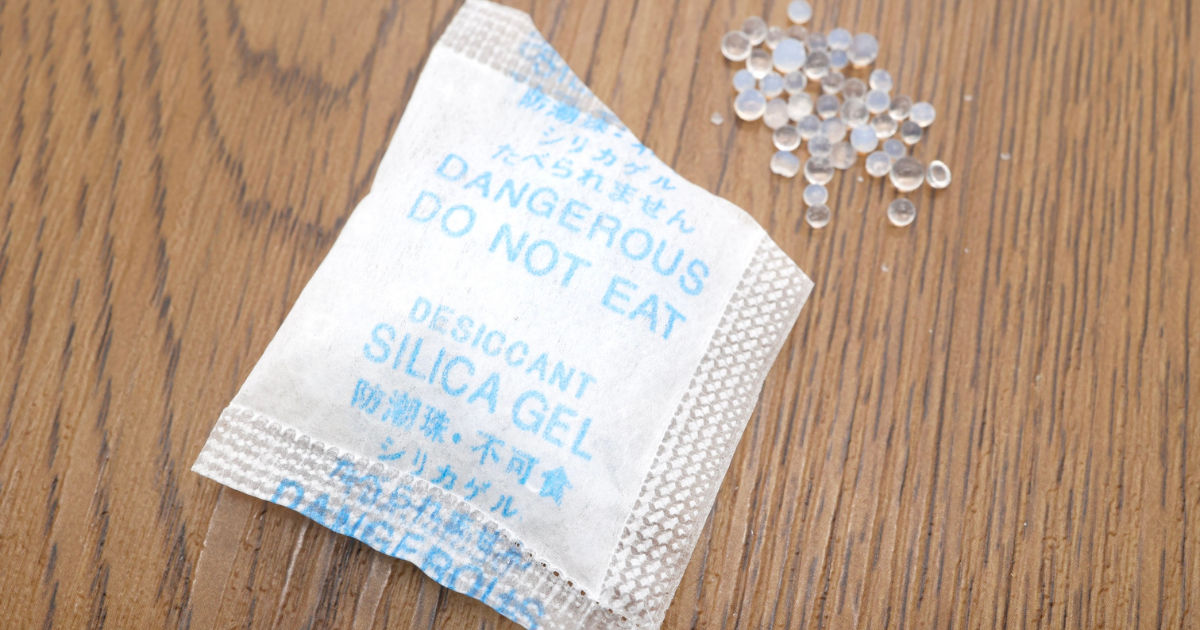
Silica gel is one of the most commonly used Moisture Absorbers in industrial environments. It consists of porous silicon dioxide that absorbs moisture efficiently without changing its physical shape. These Moisture Absorbers are often used in packaging, storage units, and electronic equipment.
Silica gel Moisture Absorbers are valued for their reliability, long shelf life, and ability to function in a wide range of temperatures.
Calcium Chloride Moisture Absorbers
Calcium chloride-based Moisture Absorbers work by attracting moisture and converting it into liquid brine. These are commonly used in large storage spaces, shipping containers, and warehouses where humidity levels are high.
Because of their strong absorption capacity, calcium chloride Moisture Absorbers are ideal for heavy-duty industrial use.
Activated Clay Moisture Absorbers
Activated clay Moisture Absorbers are made from natural clay materials treated to enhance moisture absorption. They are commonly used in industrial packaging and storage where moderate humidity control is required.
These Moisture Absorbers are environmentally friendly and cost-effective for long-term use.
Molecular Sieve Moisture Absorbers
Molecular sieve Moisture Absorbers offer precise humidity control and are used in industries requiring extremely low moisture levels. They are commonly found in pharmaceutical manufacturing, chemical processing, and gas purification systems.
Industrial Uses of Moisture Absorbers in Manufacturing
Manufacturing facilities rely heavily on Moisture Absorbers to protect raw materials, machinery, and finished products. Many manufacturing processes involve temperature changes, which can lead to condensation and moisture buildup.
Moisture Absorbers help prevent rust on metal components, protect sensitive machinery, and maintain consistent product quality. In plastic manufacturing, excess moisture can weaken materials, while in textile production, humidity can affect fabric strength and texture.
By integrating Moisture Absorbers into production lines and storage areas, manufacturers can reduce defects and downtime.
Role of Moisture Absorbers in Warehousing and Storage
Warehouses store large volumes of goods for extended periods, making them vulnerable to humidity-related damage. Moisture Absorbers are widely used to protect inventory from mold, mildew, corrosion, and packaging deterioration.
In food storage warehouses, Moisture Absorbers help prevent spoilage and bacterial growth. In electronics warehouses, they protect components from moisture-induced failures. Moisture Absorbers are also essential for storing paper products, textiles, and chemicals.
Using Moisture Absorbers in warehouses improves inventory lifespan and reduces losses caused by humidity fluctuations.
Use of Moisture Absorbers in the Pharmaceutical Industry
The pharmaceutical industry requires strict environmental control to ensure drug safety and effectiveness. Moisture Absorbers are critical in production, packaging, and storage of medicines.
Excess moisture can degrade active ingredients, alter chemical compositions, and reduce shelf life. Moisture Absorbers are placed in packaging, storage rooms, and cleanrooms to maintain optimal humidity levels.
By using Moisture Absorbers, pharmaceutical companies meet regulatory standards and protect patients from compromised medications.
Moisture Absorbers in the Food and Beverage Industry
Food and beverage production depends heavily on moisture control. Moisture Absorbers are used to maintain freshness, prevent clumping, and reduce microbial growth.
In dry food processing, excess moisture can cause products to spoil or lose texture. Moisture Absorbers are used in ingredient storage, packaging, and transport to ensure consistent quality.
In beverage production, Moisture Absorbers help protect equipment and packaging materials from condensation-related damage.
Application of Moisture Absorbers in Electronics and Technology
Electronics are highly sensitive to moisture. Even small amounts of humidity can cause short circuits, corrosion, and performance issues. Moisture Absorbers are essential in electronics manufacturing, storage, and transportation.
They are used in packaging for circuit boards, semiconductors, and consumer electronics. Moisture Absorbers also protect server rooms and data centers where humidity control is critical.
By using Moisture Absorbers, technology companies reduce failure rates and improve product reliability.
Moisture Absorbers in the Automotive Industry
The automotive industry uses Moisture Absorbers at various stages of production and storage. Metal components are particularly vulnerable to rust caused by moisture exposure.
Moisture Absorbers protect vehicle parts during shipping and storage, ensuring they arrive in perfect condition. They are also used in paint shops and assembly areas to control humidity and improve finish quality.
Using Moisture Absorbers helps automotive manufacturers maintain high standards and reduce costly repairs.
Role of Moisture Absorbers in Chemical and Petrochemical Industries
Chemical and petrochemical facilities often deal with substances that react negatively with moisture. Moisture Absorbers are used to protect raw materials, catalysts, and finished chemicals from contamination.
In gas processing and refining, Moisture Absorbers remove water vapor from gases to prevent corrosion and ensure process efficiency. These applications require highly specialized Moisture Absorbers designed for extreme conditions.
Moisture Absorbers in Shipping and Logistics
Global trade depends on safe transportation of goods across varying climates. Moisture Absorbers are commonly used in shipping containers to prevent condensation during long journeys.
Temperature changes during transport can cause moisture buildup, damaging goods such as electronics, machinery, textiles, and food products. Moisture Absorbers protect cargo from mold, rust, and packaging failure.
Their use in logistics reduces insurance claims and ensures products arrive in sellable condition.
Construction Industry Applications of Moisture Absorbers
The construction industry uses Moisture Absorbers to protect building materials and improve indoor air quality. Materials like cement, wood, and insulation can degrade when exposed to excess moisture.
Moisture Absorbers are used on construction sites, in storage areas, and in finished buildings to reduce humidity levels. They also help prevent mold growth in newly constructed or renovated spaces.
Environmental Benefits of Using Moisture Absorbers
Moisture Absorbers contribute to sustainability by reducing waste and extending product lifespan. By preventing moisture damage, industries can lower replacement costs and reduce resource consumption.
Many modern Moisture Absorbers are recyclable or made from natural materials, making them environmentally friendly options for humidity control.
Economic Impact of Moisture Absorbers in Industry
The financial benefits of Moisture Absorbers are significant. Preventing moisture-related damage saves industries millions of dollars annually. Reduced maintenance, fewer product recalls, and improved efficiency all contribute to cost savings.
Moisture Absorbers also support compliance with industry regulations, avoiding fines and legal issues.
Choosing the Right Moisture Absorbers for Industrial Use
Selecting appropriate Moisture Absorbers depends on environmental conditions, industry requirements, and budget. Factors such as absorption capacity, temperature tolerance, and disposal methods must be considered.
Industries often use a combination of Moisture Absorbers to achieve optimal humidity control across different areas.
Challenges and Limitations of Moisture Absorbers
While Moisture Absorbers are highly effective, they require proper placement and regular monitoring. Saturated Moisture Absorbers lose effectiveness and must be replaced or regenerated.
Understanding these limitations helps industries maintain consistent moisture control and avoid unexpected issues.
Future Trends in Industrial Moisture Absorbers
Advancements in material science are leading to more efficient and sustainable Moisture Absorbers. Smart humidity control systems integrated with sensors are becoming more common in industrial settings.
These innovations improve accuracy, reduce waste, and enhance overall performance.
Conclusion
Moisture Absorbers are essential tools across a wide range of industries, protecting products, equipment, and infrastructure from the damaging effects of excess humidity. From manufacturing and pharmaceuticals to shipping and construction, their applications are vast and vital.
By controlling moisture levels, Moisture Absorbers help industries maintain quality standards, improve safety, and reduce financial losses. They support efficient operations, extend product lifespan, and contribute to environmental sustainability.
As industries continue to evolve and face new challenges, the role of Moisture Absorbers will only become more important. Investing in the right moisture control solutions ensures long-term success, reliability, and resilience in an increasingly competitive industrial world.