

Tree care is an essential part of maintaining healthy urban and suburban environments. One of the key aspects of tree maintenance is pruning, and in Canberra, this process is guided by specific standards to ensure trees remain healthy, safe, and aesthetically pleasing.
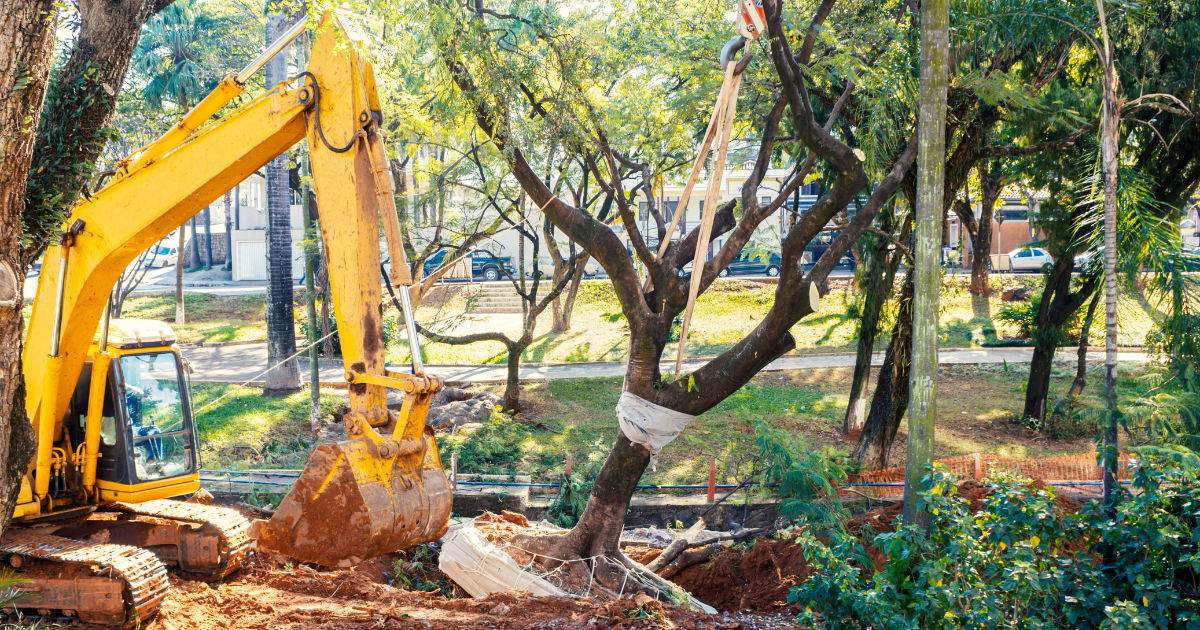
If you are looking into tree pruning Canberra, understanding these standards is crucial. The Canberra Standards for Tree Pruning provide clear guidelines for homeowners, arborists, and city planners on how to approach tree care in a responsible and sustainable way.
Tree pruning is more than just trimming branches—it’s about managing the growth, structure, and health of trees. The Canberra Standards offer a structured approach that ensures pruning is carried out safely while enhancing the longevity and visual appeal of trees.
Introduction to Tree Pruning
Tree pruning is the selective removal of certain parts of a tree, such as branches, buds, or roots. The purpose of pruning varies—it can improve tree health, control size and shape, reduce risk from falling branches, and improve fruit or flower production. In urban areas like Canberra, proper tree pruning is essential to maintain public safety, protect property, and enhance the cityscape.
When it comes to tree pruning Canberra, following standardized practices is key. The Canberra Standards outline best practices based on scientific research and practical arboriculture experience. These standards are designed to minimize stress to the tree while achieving the desired outcomes.
Why Canberra Standards for Tree Pruning Are Important
Pruning trees might seem simple, but improper techniques can cause serious damage. Incorrect cuts can lead to decay, disease, structural weakness, and even premature death of the tree. The Canberra Standards were developed to prevent such outcomes and to promote consistent, professional practices.
Some key reasons these standards matter include:
-
Health of Trees: Correct pruning helps trees grow stronger, resist disease, and live longer.
-
Safety: Pruned trees are less likely to shed dangerous branches that could harm people or property.
-
Aesthetic Value: Following standards ensures trees maintain a pleasing appearance suitable for urban landscapes.
-
Environmental Benefits: Healthy trees improve air quality, reduce urban heat, and support biodiversity.
Overview of Canberra Tree Pruning Standards
The Canberra Standards for Tree Pruning provide detailed instructions for arborists and residents performing pruning tasks. These standards are based on internationally recognized arboricultural principles, tailored to the unique climate and urban planning needs of Canberra.
The standards focus on several core areas:
-
Timing of Pruning: When to prune to minimize stress and encourage growth.
-
Pruning Techniques: The proper methods for making cuts.
-
Tree Structure and Form: Maintaining the natural shape and structural integrity of trees.
-
Safety Practices: Ensuring the safety of workers and the public.
-
Post-Pruning Care: Ensuring trees recover properly after pruning.
Timing of Tree Pruning in Canberra
One of the most critical aspects of tree pruning Canberra is knowing when to prune. Timing affects the tree’s response to pruning and its long-term health.
-
Dormant Season Pruning: Most trees are pruned during the dormant season, typically winter. During this time, trees experience less stress, and the risk of disease transmission is lower.
-
Avoiding Flowering and Fruit Periods: For flowering or fruiting trees, pruning should be scheduled to avoid removing buds or flowers. This ensures the tree continues to produce as expected.
-
Emergency Pruning: Occasionally, pruning is required outside normal schedules, such as removing dangerous branches after storms or disease outbreaks. These situations are addressed carefully following Canberra standards to reduce additional stress to the tree.
Pruning Techniques
The Canberra Standards emphasize proper techniques to ensure cuts are safe and do not harm the tree. Common techniques include:
-
Thinning Cuts: Removing entire branches back to a lateral branch or trunk. This improves light penetration and air circulation.
-
Reduction Cuts: Shortening branches to reduce height or spread without compromising structure.
-
Crown Cleaning: Removing dead, diseased, or damaged wood from the tree canopy.
-
Crown Lifting: Removing lower branches to provide clearance for pedestrians, vehicles, or buildings.
Each cut must be made carefully, using sharp, clean tools. Cuts should be made at the branch collar—the swelling where a branch meets the trunk—to encourage proper healing.
Tree Structure and Form
Maintaining a tree’s structural integrity is a primary goal of tree pruning Canberra. Poor pruning can lead to weak branch attachments, uneven growth, or unnatural shapes.
-
Single Leader Structure: For many trees, maintaining a central leader—a main upright stem—is essential for stability.
-
Balanced Canopy: Even branch distribution helps the tree withstand wind and reduces the risk of branch failure.
-
Avoid Topping: The Canberra Standards strongly discourage topping, which involves cutting the main stem or large branches. Topping is harmful and leads to weak regrowth.
Safety Practices in Tree Pruning
Safety is a critical component of the Canberra Standards. Improper pruning can be dangerous both for workers and the public. Key safety practices include:
-
Personal Protective Equipment (PPE): Helmets, gloves, eye protection, and harnesses for workers.
-
Tool Safety: Using well-maintained, sharp tools to prevent accidents.
-
Site Safety: Ensuring public areas are cordoned off during pruning activities to prevent injuries from falling branches.
-
Risk Assessment: Identifying hazards such as power lines, unstable branches, or wildlife before pruning begins.
Post-Pruning Care
After pruning, proper care ensures that trees recover quickly and remain healthy. Canberra Standards recommend:
-
Wound Management: While the tree naturally heals, large wounds may require monitoring for disease or decay.
-
Mulching: Adding mulch around the base helps retain moisture and provide nutrients.
-
Watering: Pruned trees may need additional water to recover from stress.
-
Monitoring: Regular inspections after pruning detect issues early, such as pest infestations or abnormal growth patterns.
Choosing a Professional for Tree Pruning Canberra
While minor pruning can sometimes be done by homeowners, complex or large-scale tree pruning should be performed by certified arborists. Professional arborists follow the Canberra Standards meticulously, reducing the risk of injury or damage to the tree.
When hiring a professional, consider the following:
-
Certification: Ensure the arborist is trained and certified.
-
Experience: Ask for references or examples of previous work.
-
Insurance: Confirm liability coverage in case of accidents.
-
Knowledge of Standards: A professional familiar with Canberra Standards will ensure compliance and best practices.
Common Mistakes to Avoid in Tree Pruning
Even well-meaning pruning efforts can harm trees if done incorrectly. Common mistakes include:
-
Topping or Heading Cuts: These cuts weaken trees and promote rapid but fragile regrowth.
-
Excessive Pruning: Removing too many branches at once stresses the tree.
-
Incorrect Cut Placement: Cuts made too far from or too close to the branch collar can impede healing.
-
Ignoring Tree Health: Pruning unhealthy or diseased trees without proper care can exacerbate problems.
Environmental Considerations
Canberra’s unique climate and urban environment require consideration when pruning. The Standards encourage practices that minimize environmental impact:
-
Habitat Preservation: Avoid pruning during bird nesting seasons where possible.
-
Native Species Care: Canberra is home to many native species, which require sensitive pruning approaches.
-
Sustainable Practices: Use of eco-friendly tools and responsible disposal of pruned material is recommended.
Benefits of Following Canberra Standards for Tree Pruning
Adhering to the standards provides numerous benefits:
-
Long-Term Tree Health: Proper pruning ensures trees grow strong and resist pests and disease.
-
Safety and Liability Reduction: Reduces the risk of falling branches and related accidents.
-
Aesthetic Appeal: Trees maintain their natural beauty and structural form.
-
Economic Value: Healthy, well-maintained trees can increase property values.
-
Environmental Benefits: Healthy urban trees contribute to cleaner air, shade, and biodiversity.
DIY Tree Pruning Canberra: Tips for Homeowners
Homeowners can safely prune small trees if they follow key guidelines:
-
Start Small: Focus on minor branches or deadwood.
-
Use Proper Tools: Hand pruners, loppers, or small saws are preferable for small jobs.
-
Follow Natural Shape: Prune in line with the tree’s natural growth pattern.
-
Prune During Dormancy: Winter pruning reduces stress and risk of infection.
-
Learn the Standards: Even DIY pruning should adhere to Canberra Standards to avoid damage.
Conclusion
Understanding and applying the Canberra Standards for tree pruning is essential for anyone involved in tree maintenance in the region. Whether you are a homeowner, gardener, or professional arborist, these standards provide a clear framework for safe, effective, and environmentally responsible pruning.
Following these standards ensures that trees in Canberra remain healthy, visually appealing, and safe for the community. Proper timing, techniques, and post-pruning care all contribute to the long-term vitality of trees. By adhering to these principles, we not only protect our urban forests but also contribute to the overall beauty and sustainability of Canberra’s green spaces.
For those interested in tree pruning Canberra, investing time in learning and following these standards is a step towards becoming a responsible tree caretaker. It is an investment in safety, environmental stewardship, and the enduring beauty of the city’s landscape.
By combining knowledge, careful practice, and respect for nature, tree pruning can become a rewarding and beneficial task, contributing positively to both our immediate surroundings and the broader ecosystem.