

In the realm of industrial automation, accurate and reliable measurements are paramount. The flange pressure transmitter, such as Sino-Inst's Flange Mounted Pressure Level Transmitter available here, plays a crucial role in ensuring operational efficiency and safety. However, like any precision instrument, regular maintenance is essential to maintain its performance. This blog post outlines a comprehensive guide on how to maintain your flange pressure transmitter.
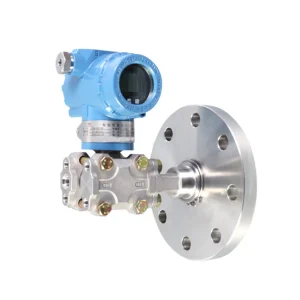
Understanding the Flange Pressure Transmitter
Before diving into maintenance, it's essential to understand the flange pressure transmitter's workings. This advanced instrument combines an intelligent pressure transmitter with a diaphragm flange assembly, directly mounted on pipes or containers. Its isolation diaphragm directly contacts the liquid medium, eliminating the need for pressure piping. This design allows for accurate measurements of liquid level, pressure, and density, especially in high-temperature, high-viscosity, or corrosive media.
Routine Maintenance Checks
1. Visual Inspection
- Flange and Diaphragm: Regularly inspect the flange and diaphragm for signs of wear, corrosion, or damage. Ensure the flange seal is intact to prevent leaks.
- Wiring and Connections: Check all wiring and electrical connections for looseness or damage. Tighten any loose connections and replace damaged wires promptly.
2. Cleaning and Calibration
- Diaphragm Cleaning: Depending on the media, the diaphragm may require periodic cleaning to remove build-up or deposits. Use appropriate cleaning agents and techniques to avoid damaging the diaphragm.
- Calibration: Regular calibration ensures the transmitter's accuracy. Follow the manufacturer's instructions for calibration procedures, using certified standards. Sino-Inst provides detailed calibration guides and support.
3. Sensor Performance Monitoring
- Output Signal: Monitor the transmitter's output signal regularly. Any deviation from the expected range may indicate a performance issue.
-
Response Time: Check the response time to ensure it meets application requirements. Slow response times can indicate clogging or fouling of the diaphragm.
Preventive Maintenance Tips
1. Material Compatibility
- Ensure the diaphragm and flange materials are compatible with the media to prevent corrosion or contamination. Sino-Inst offers customization options for flange materials, including corrosion-resistant alloys and coatings.
2. Environmental Considerations
- Protect the transmitter from extreme temperatures, moisture, and振动, which can affect its performance and lifespan.
- Install the transmitter in an accessible location for easy maintenance and calibration.
3. Storage and Handling
- When not in use, store the transmitter in a clean, dry environment. Avoid exposure to direct sunlight or extreme temperatures.
- Handle the transmitter with care to avoid dropping or impact, which can damage internal components.
Maintaining your flange pressure transmitter is crucial for ensuring accurate and reliable measurements in industrial applications. By following the routine maintenance checks and preventive maintenance tips outlined in this guide, you can extend the lifespan of your transmitter and maintain its performance. For more information on maintenance and calibration procedures, refer to Sino-Inst's official documentation and technical support. Regular maintenance will not only keep your flange pressure transmitter in top condition but also contribute to operational efficiency and safety in your industrial processes.